Unpopular Pond Cleaning Essex Opinion: Why Proper Care is Essential for Your Garden’s Ecosystem
Understanding the Importance of Pond Cleaning in Essex
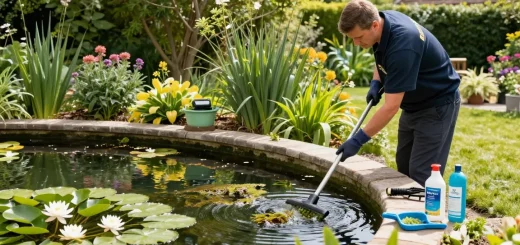
Pond cleaning is an essential aspect of pond maintenance that often goes overlooked by many pond owners in Essex. The health of a pond directly influences the local ecosystem, affecting wildlife, plant life, and water quality. Regular maintenance not only enhances the beauty of your outdoor space but also supports vital ecological functions. When exploring options, Pond Cleaning Essex provides comprehensive insights into effective cleaning practices tailored for local conditions.
Why Regular Maintenance is Crucial for Pond Health
Maintaining a healthy pond is crucial for various reasons. Firstly, stagnant water can become a breeding ground for pests like mosquitoes, which thrive in unclean environments. Regular cleaning helps remove decomposing organic material that can lead to foul odors and water quality degradation. Furthermore, a dirty pond can negatively impact fish and plant life by depleting oxygen levels and increasing toxins. By committing to regular pond maintenance, owners can ensure a balanced ecosystem that thrives.
Key Benefits of Pond Cleaning for Local Ecosystems
Pond cleaning offers numerous benefits, not just for aesthetics but also for ecological balance. Clean ponds can:
- Support a diverse range of aquatic life, helping local species thrive.
- Enhance water clarity, which promotes the growth of beneficial underwater plants.
- Reduce harmful algae blooms that can suffocate fish and other wildlife.
- Create a more enjoyable recreational space for fishing, swimming, or simply relaxing outdoors.
Common Misconceptions About Pond Upkeep
One prevalent misconception is that pond cleaning is only necessary during certain seasons. In reality, maintaining a pond’s health requires attention throughout the year. Another myth is that a pond will “clean itself.” While natural processes can aid in maintaining balance, human intervention is often necessary to ensure water quality and ecosystem health.
Best Practices for Effective Pond Cleaning
Essential Tools and Techniques for Pond Maintenance
Successful pond cleaning involves specific tools and techniques that help to keep your water feature healthy. Some essential tools include:
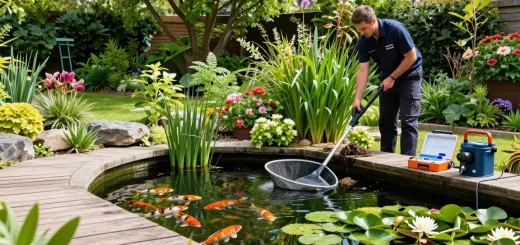
- Pond nets: Useful for removing debris and leaves.
- Submersible pumps: Effective for draining and cleaning the pond bed.
- Water quality testing kits: Essential for monitoring pH, ammonia, and nitrate levels.
- Algae removers: Specialized treatments to combat unwanted growth.
Step-by-Step Guide to a Successful Pond Cleaning
Follow these step-by-step guidelines for effective pond cleaning:
- Remove Debris: Begin by using a net to remove leaves, twigs, and any floating debris.
- Drain the Pond: If necessary, use a pump to lower the water level for easier access to the pond bed.
- Clean the Sides and Bottom: Scrub algae and muck using appropriate tools, ensuring to avoid harming beneficial bacteria.
- Check Equipment: Inspect filters, pumps, and heaters to ensure they are functioning effectively.
- Refill and Treat: Refill the pond with clean water and apply any necessary treatments for algae or disease prevention.
Frequency Recommendations for Pond Cleaning Based on Size
The frequency of pond cleaning can depend on several factors, including size, usage, and local conditions:
- For small ponds (under 1,000 gallons): clean every 2-4 weeks during the growing season.
- For medium ponds (1,000-5,000 gallons): clean every 4-6 weeks.
- For large ponds (over 5,000 gallons): conduct maintenance checks quarterly, with a thorough cleaning at least twice a year.
Common Challenges in Pond Cleaning and Solutions
Dealing with Algae Overgrowth Effectively
One of the most common challenges faced by pond owners is algae overgrowth. Algae can consume oxygen and suffocate aquatic life. To combat this:
- Reduce nutrient inflow by managing runoff and controlling fertilizer use near the pond.
- Introduce beneficial bacteria that consume the excess nutrients that fuel algae growth.
- Implement physical removal methods like using rakes or skimmers.
Addressing Wildlife Concerns During Pond Maintenance
Cleaning your pond can disturb local wildlife, including nesting birds or amphibians. It’s important to:
- Schedule cleanings outside of peak breeding seasons.
- Survey the area for signs of wildlife before beginning maintenance.
- Work slowly to minimize disturbance and allow wildlife to relocate.
How Weather Influences Your Pond Cleaning Schedule
Weather conditions greatly influence when and how pond cleaning should be carried out:
- Avoid cleaning during heavy rain, which can cause runoff and debris to wash into the pond.
- In winter, focus on removing ice and debris to prevent damage to the pond structure.
- Spring and early summer are ideal for cleaning, as plant growth is starting but algae is often not yet rampant.
Future Trends in Pond Maintenance for 2026
Innovative Techniques and Tools Revolutionizing Pond Care
As we look toward the future, advancements in technology are set to transform pond maintenance. Drones equipped with cameras can help in assessing pond health from above, allowing for easy identification of problem areas. Additionally, automatic cleaning systems that use sensors for monitoring water quality are likely to become more common.
The Role of Technology in Pond Monitoring
Smart technology will allow pond owners to track water parameters in real time through connected devices. This data-driven approach can help in timely interventions, ensuring optimal conditions for aquatic life.
Environmental Considerations for Eco-Friendly Pond Cleaning
With increasing awareness of environmental sustainability, future pond cleaning practices are expected to emphasize eco-friendly methods. This includes the use of non-toxic cleaners and organic fertilizers, as well as promoting biodiversity through the introduction of native plants and species.
Case Studies: Success Stories from Essex Pond Owners
How Proper Pond Care Transformed Local Ecosystems
Numerous case studies across Essex showcase the benefits of effective pond cleaning. One such example is a community pond that, after regular maintenance, transformed from a murky body of water to a thriving habitat for frogs and dragonflies, enriching local biodiversity.
Before and After: Visual Case Studies of Pond Restoration
Visual documentation of pond restorations can be striking. Photos often depict the dramatic transformation in water clarity and plant growth after thorough cleaning practices have been employed, encouraging other community members to invest in their local ecosystems.
Testimonials from Happy Pond Owners in Essex
Pond owners in Essex report significant improvements in their outdoor spaces after implementing regular cleaning protocols. Testimonials highlight not only the visual improvement but also a noticeable increase in local wildlife visits, enhancing the overall enjoyment of these green spaces.
What Equipment is Best for Home Pond Cleaning?
Investing in the right equipment is crucial for effective pond cleaning. Key items include:
- A high-quality pond vacuum for removing sludge and debris.
- UV clarifiers to combat algae growth.
- Skimmers to maintain surface water cleanliness.
How to Identify the Right Time for Pond Maintenance?
Knowing when to perform pond maintenance can be guided by several indicators, including:
- Changes in water clarity or odor.
- Visible algae growth or excessive debris.
- Presence of dead fish or other signs of distressed aquatic life.
Can Pond Cleaning Reduce Mosquito Breeding?
Yes, regular pond cleaning can significantly reduce mosquito breeding sites by eliminating stagnant water and organic debris. By ensuring a healthy environment, you can minimize the likelihood of pest infestations and improve the pond’s overall health.
What Are the Signs of Poor Pond Health?
Signs of poor pond health may include:
- Foul smells or discolored water.
- Frequent algae blooms.
- Low fish populations or sudden die-offs.
- Increased mosquito activity in the area.
How Often Should You Test Your Pond Water Quality?
Regular water testing is advisable, ideally every month during the peak growing season. Testing should include pH, ammonia, nitrite, and nitrate levels to ensure a balanced ecosystem is maintained.