
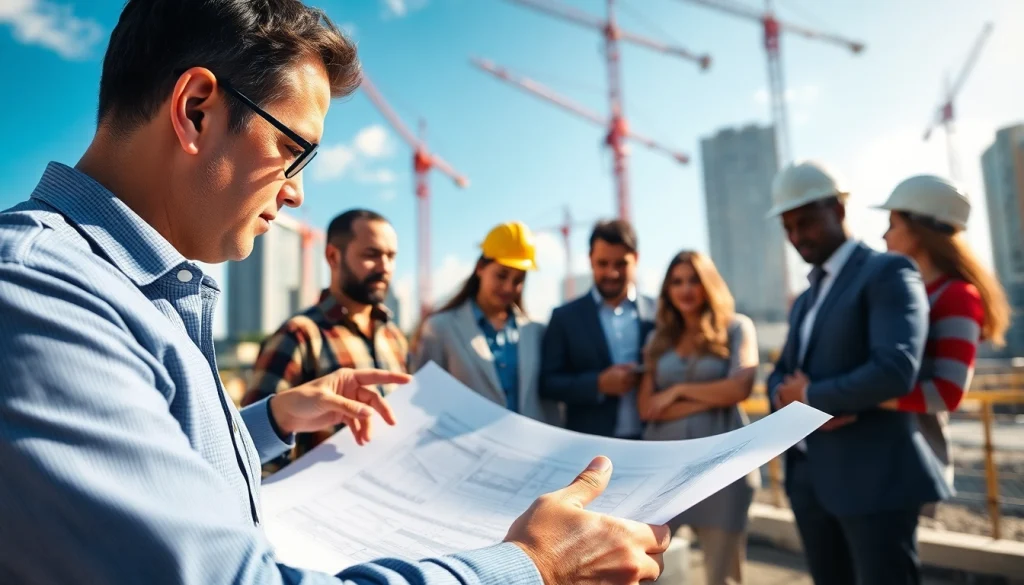
Understanding the Role of a Manhattan Construction Manager
The Manhattan Construction Manager plays a pivotal role in overseeing construction projects, ensuring they are completed on time and within budget. This role combines management skills with technical knowledge of construction, making it crucial for the successful delivery of various development projects.
Overview of Responsibilities
A Manhattan Construction Manager is tasked with myriad responsibilities that span the entire lifecycle of a construction project. These responsibilities typically include:
- Planning and preparing project schedules and budgets.
- Coordinating all project stakeholders, including subcontractors and suppliers.
- Monitoring project progress and performance against targets.
- Ensuring compliance with safety regulations and quality standards.
- Reporting on project status to owners and stakeholders.
- Resolving any conflicts or issues that arise during construction.
Key Skills Required
To excel in the role of a Manhattan Construction Manager, certain skills are essential:
- Leadership: Guiding teams and making strategic decisions.
- Communication: Effectively conveying information to diverse stakeholders.
- Problem-solving: Quickly addressing complications as they arise.
- Financial acumen: Overseeing budgets and financial forecasts.
- Technical knowledge: Understanding engineering and construction principles.
Importance of Team Leadership
Strong leadership is a cornerstone of effective construction management. A Manhattan Construction Manager must foster a collaborative environment, ensuring that every team member feels valued and empowered. Leadership involves not only directing work but also inspiring and motivating teams to achieve shared goals.
Essential Tools for a Manhattan Construction Manager
In the modern construction environment, leveraging the right tools can significantly enhance project efficiency and effectiveness. A Manhattan Construction Manager utilizes various tools and technologies to streamline processes.
Project Management Software
Project management software solutions, such as Primavera P6 or Microsoft Project, are vital. They assist managers in scheduling, resource allocation, and tracking project milestones. These tools allow for real-time updates and better visibility on project progress.
Communication Tools
Effective communication is essential. Tools like Slack, Microsoft Teams, or Zoom enable seamless communication among team members and project stakeholders, facilitating timely decision-making and collaborative problem-solving.
Budgeting and Financial Tracking Tools
To manage construction budgets effectively, tools like QuickBooks or Sage 300 Construction can help monitor expenses, forecast financial performance, and ensure projects remain within budget. These tools provide transparency and accountability in financial management.
Best Practices in Construction Management
Implementing best practices is crucial for achieving project success consistently. Here are several effective strategies:
Effective Project Planning
Thorough planning establishes a clear project roadmap. Emphasizing scheduled milestones, deliverables, and timelines leads to more organized projects. Investing time in the planning phase mitigates risks and set expectations for all stakeholders.
Risk Management Strategies
Identifying potential risks early enables proactive mitigation strategies. Conducting regular risk assessments and developing contingency plans can safeguard projects against unforeseen challenges, enhancing resilience throughout the construction process.
Quality Control Measures
To ensure the delivery of high-quality construction, implementing stringent quality control protocols is essential. Regular inspections, adherence to codes and standards, and continuous training for workers are critical components of maintaining quality assurance on-site.
Challenges Faced by a Manhattan Construction Manager
Despite the essential role played by the Manhattan Construction Manager, several common challenges may arise during projects.
Overcoming Labor Shortages
Labor shortages can impede project timelines and inflate costs. To counteract this challenge, construction managers should focus on improving workplace conditions to attract talent and invest in training programs to upskill existing employees.
Navigating Regulatory Compliance
Construction is heavily regulated, and navigating compliance with local laws and standards is crucial. Managers should stay informed of regulatory changes and engage with legal experts to ensure all aspects of the project adhere to necessary requirements.
Handling Client Expectations
Clients often have high expectations for timelines and budgets, which can lead to tension if not managed properly. Transparent communication and regular updates can help align expectations and foster trust, ultimately leading to a more satisfactory outcome.
Future Trends in Construction Management
The construction industry is evolving rapidly, and the Manhattan Construction Manager must stay ahead of the curve by adapting to new trends.
Technological Innovations
Advancements such as Building Information Modeling (BIM), drones, and project management software are revolutionizing how construction projects are managed. Embracing these technologies can streamline processes, improve accuracy, and reduce costs.
Sustainability Practices
With increasing focus on sustainability, construction managers should incorporate eco-friendly practices into their plans. This includes selecting sustainable materials, minimizing waste, and integrating energy-efficient systems into design and construction.
Changes in Workforce Dynamics
The workforce is shifting, with younger generations bringing different expectations and skills. Construction managers must adapt by fostering inclusive environments, offering career development opportunities, and utilizing flexible work arrangements.
Frequently Asked Questions
What qualifications do you need to become a Construction Manager?
A bachelor’s degree in construction management, engineering, or a related field is typically required, along with relevant work experience and, often, certifications.
What are the average salaries for Construction Managers?
Salaries can vary widely based on location, experience, and company size. However, many construction managers earn competitive salaries, often exceeding national averages in similar professions.
How do Construction Managers manage project budgets?
Construction managers create detailed budgets at the project’s start, continuously monitor expenses, and utilize financial tracking tools to ensure spending remains within limits.
What role does technology play in construction management?
Technology enhances construction management efficiency through tools for project scheduling, budgeting, communication, and quality control, driving seamless integration across project phases.
How can Construction Managers improve safety on job sites?
By implementing safety protocols, providing training, and conducting regular inspections, construction managers can significantly reduce workplace accidents and enhance overall safety culture.