
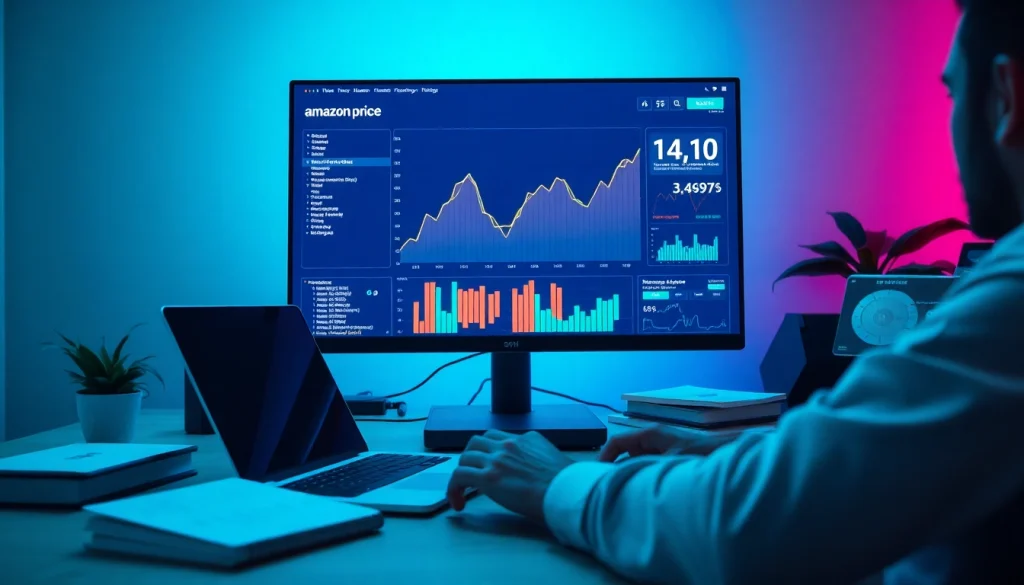
Understanding Infosec in E-commerce
In a digital landscape where online shopping has become second nature, the importance of infosec cannot be overstated. E-commerce platforms, while convenient, are also vulnerable to a range of security threats that can compromise sensitive customer data and impact business operations. Recognizing these risks is paramount for both users and developers alike. This article delves into the critical aspects of information security within e-commerce, focusing on the protective measures and tools necessary to safeguard online transactions.
What is Infosec and Why It Matters
Information security, or infosec, is the practice of protecting information by mitigating various risks. It encompasses a broad range of strategies and technologies aimed at ensuring the confidentiality, integrity, and availability of data. In the context of e-commerce, protecting sensitive customer information—from credit card details to personal addresses—is critical. A data breach can lead to significant financial losses, reputational damage, and legal repercussions. Thus, understanding and implementing robust infosec strategies is essential for maintaining customer trust and operational integrity.
Key Infosec Risks in E-commerce Platforms
- Data Breaches: Unauthorized access to sensitive data can lead to identity theft and fraud.
- Phishing Attacks: Attackers may impersonate legitimate businesses to deceive users into revealing personal information.
- Malware: Malicious software can infect users’ devices, compromising data security.
- SQL Injection: Attackers exploit vulnerabilities in websites to manipulate databases and steal data.
Best Practices for Secure Online Transactions
To mitigate these risks, e-commerce businesses must adopt a series of best practices, including:
- Implementing SSL certificates to secure data transmission.
- Regularly updating software and systems to patch vulnerabilities.
- Conducting security audits and vulnerability assessments.
- Training staff on security protocols and awareness to reduce human error.
Building Your Smart Amazon Price Tracker
With the fluctuating nature of prices on platforms like Amazon, developing a smart price tracker can empower consumers to make informed purchasing decisions. By leveraging technical tools and data analytics, you can create a solution that not only monitors price changes but also alerts users in real time, helping them save money.
Essential Tools for Effective E-commerce Monitoring
To build an effective price tracker, consider the following tools:
- Web Scraping Libraries: Tools such as Beautiful Soup or Scrapy are essential for extracting data from web pages.
- Data Storage Solutions: Use databases like PostgreSQL or MongoDB to store historical price data.
- Alert Systems: Implement email or SMS alerts to notify users of price changes.
Integrating SerpApi for Enhanced Data Collection
SerpApi is a powerful API that simplifies the process of extracting data from search engine result pages. By integrating SerpApi into your price tracking application, you can gather real-time pricing data effortlessly. This tool provides a streamlined method to collect information, eliminating the need for complex scraping techniques and enabling more accurate and timely price change notifications.
Utilizing Ruby on Rails for Development
Building a robust price tracking application can be efficiently executed using Ruby on Rails. This framework allows developers to create high-performance applications quickly, utilizing built-in tools for database management, routing, and security. Additionally, the Rails community offers numerous gems and plugins that can enhance functionality, making it easier to integrate features like user authentication and data visualization.
Reverse Engineering Google Finance Charts
Google Finance offers a wealth of financial data represented visually through interactive charts. Understanding how to parse and utilize this data can provide invaluable insights for e-commerce strategies, particularly for those interested in market trends related to pricing.
Understanding Financial Data Representation
Financial charts typically display data points over time, showing trends, peaks, and valleys in the market. By analyzing these patterns, e-commerce businesses can better predict pricing changes and consumer behavior, allowing for more strategic pricing models.
Step-by-Step Guide to Parsing Financial Charts
To parse Google finance charts effectively, follow these steps:
- Identify the data source by investigating the page’s structure.
- Use web scraping tools to extract relevant data points.
- Store the data in a structured format for analysis.
- Leverage data visualization libraries like Chart.js to represent this data visually.
Real-world Applications of Data Visualization
Visualizing data allows businesses to present complex information in a digestible format, facilitating informed decision-making. For example, displaying historical price trends alongside current pricing data can help businesses adjust their pricing strategies dynamically in response to market shifts.
Security Measures for Your Price Tracker
While developing your price tracker, it is crucial to implement robust security measures to protect both the application and user data. This involves identifying vulnerabilities and ensuring compliance with best practices in infosec.
Identifying Path Traversal Vulnerabilities
A path traversal vulnerability can allow attackers to access files and directories outside of the intended file structure. Regular security audits and code reviews can help identify and mitigate these risks, ensuring that sensitive information remains secure.
Implementing Robust Security Protocols
Employing security protocols such as HTTPS, input validation, and output encoding can help prevent common vulnerabilities. Additionally, consider implementing two-factor authentication for user accounts to enhance security further.
Continuous Monitoring and Risk Assessment Strategies
Establishing a routine for monitoring application security and performing risk assessments is vital. Tools that automate vulnerability scanning and provide real-time alerts on potential threats can significantly enhance your price tracker’s security posture.
Future Trends in Infosec for E-commerce
As technology evolves, so too do the threats facing e-commerce. Understanding these trends can help businesses remain proactive in their security measures. Here are some anticipated developments in infosec for e-commerce:
Emerging Technologies in Information Security
Technologies such as artificial intelligence and machine learning are set to revolutionize infosec practices. By employing these technologies, businesses can automate threat detection and response, reducing the time and resources needed to address security incidents.
Predictions for E-commerce Security in 2025
With data breaches becoming increasingly sophisticated, it is predicted that e-commerce businesses will need to adopt more advanced security measures, including biometric authentication and blockchain technology for secure transactions. These innovations will help mitigate risks associated with unauthorized access and data manipulation.
Expert Insights and Recommendations
Industry experts recommend focusing on a culture of security awareness within organizations. This involves training employees to recognize potential threats and encouraging best practices in both personal and professional contexts. Regular updates to security policies and practices will also be essential to keep pace with ever-evolving threats.