Understanding the Importance of British Pond Plants
Pond plants play an essential role in maintaining a healthy aquatic ecosystem. In the United Kingdom, a diverse array of native aquatic plants not only enhances the beauty of garden ponds but also contributes significantly to environmental health. The careful selection of British Pond Plants can help create a balanced habitat that supports local wildlife, improves water quality, and reduces algal blooms.
Why British Pond Plants Are Essential for Ecosystems?
British pond plants are vital for sustaining aquatic ecosystems for several reasons. They provide habitat and food sources for various wildlife species, including amphibians, insects, and fish. Additionally, these plants contribute to the biological balance of ponds by absorbing excess nutrients that could otherwise lead to harmful algal growth.
Impact on Water Quality and Clarity
Healthy pond plants directly influence water quality and clarity. Submerged oxygenating species, such as hornwort and water crowfoot, absorb nutrients and release oxygen, creating a more stable habitat for aquatic life. Moreover, by blocking sunlight and competing for nutrients, these plants help to inhibit the growth of algae, which can cloud the water and disrupt the ecosystem.
Support for Wildlife and Biodiversity
Natural British pond plants provide essential support for wildlife and biodiversity. They serve as breeding grounds and protective shelters for various species, including frogs and dragonflies. The presence of diverse plant life not only enriches the pond's ecology but also enhances its aesthetic beauty, making it inviting for both wildlife and human observers.
Types of British Pond Plants
Understanding the categories of pond plants available helps in selecting the right plants for your specific pond conditions. Each type has unique benefits that contribute to a balanced pond ecosystem.
Oxygenating Pond Plants: What You Need to Know
Oxygenating plants are crucial for maintaining healthy oxygen levels in the water. Common examples include hornwort (Ceratophyllum demersum) and water milfoil (Myriophyllum spp.). These submerged plants not only oxygenate the water during photosynthesis but also provide shelter for fry and other aquatic organisms, promoting biodiversity.
Floating and Deep Water Plants: Their Roles
Floating plants, such as water lilies (Nymphaea spp.) and water lettuce (Pistia stratiotes), play a significant role in shading the water, which helps to regulate temperature and reduce algae growth. Deep water plants can grow from the pond's base, contributing to surface cover that enhances visual appeal and provides additional habitat for fish.
Marginal Plants for Pond Aesthetics and Functionality
Marginal plants grow in shallow areas and are essential for softening the edges of the pond while providing habitat for various species. Examples include marsh marigold (Caltha palustris) and flag iris (Iris pseudacorus). These plants help stabilize the pond's edges and enhance its visual appeal.
Choosing the Right British Pond Plants for Your Pond
Selecting the appropriate plants for your pond depends on various environmental factors, including water depth, sunlight exposure, and existing wildlife. Here are some guidelines to consider when making your choices.
Assessing Your Pond's Environment and Conditions
Before selecting plants, evaluate your pond's specific conditions. Consider factors such as the depth of the water, how much sunlight the pond receives, and whether there are existing fish populations. Different plants thrive in different conditions, making this assessment crucial for successful planting.
Best Practices for Plant Placement
When placing plants in your pond, remember to follow recommended depths for each species. Oxygenating plants should be submerged, while marginal plants are best positioned along the edges. A balanced planting scheme will usually feature a mix of plants at various depths to maximize the ecological benefits.
Seasonal Considerations for Plant Selection
British pond plants are typically seasonal, with different varieties becoming available at various times throughout the year. Spring is the best time to plant, as this allows the plants to establish themselves throughout the warmer months. Be aware of which plants are hardy and can survive winter dormancy, as well as those that may need to be replaced annually.
Planting and Caring for British Pond Plants
Proper planting and maintenance are key to ensuring the long-term health of your pond plants. Here is a step-by-step guide along with some maintenance tips.
Step-by-Step Planting Guide for Beginners
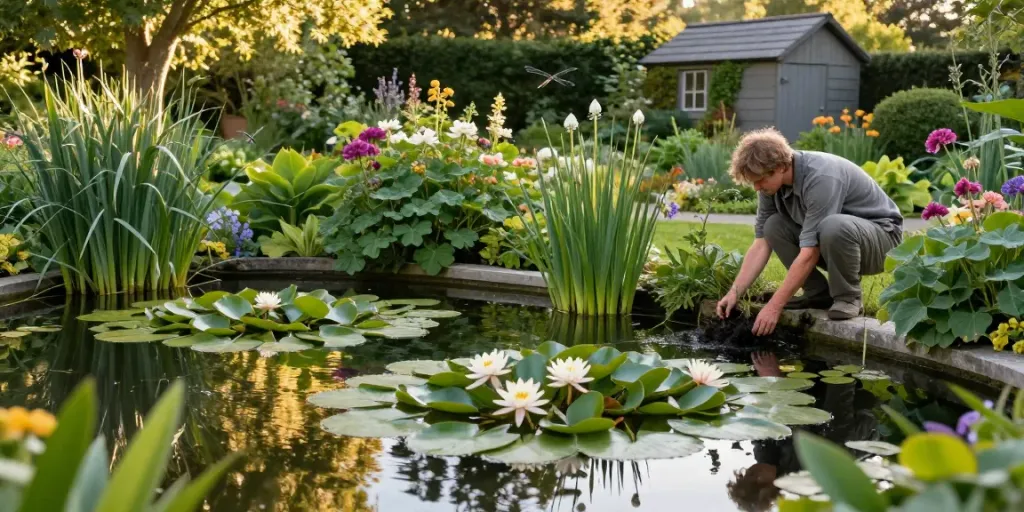
1. Prepare the Area: Clean the pond area and remove any debris. 2. Choose Your Plants: Select a variety of plants suited to your pond conditions.3. Planting Technique: Use aquatic planting baskets filled with aquatic soil or heavy clay compost. This ensures stability and prevents the plants from being uprooted.4. Positioning: Place plants at the correct depth according to their specific needs—generally, oxygenators should be submerged, while marginals should be near the water's edge.
Maintenance Tips for a Thriving Pond
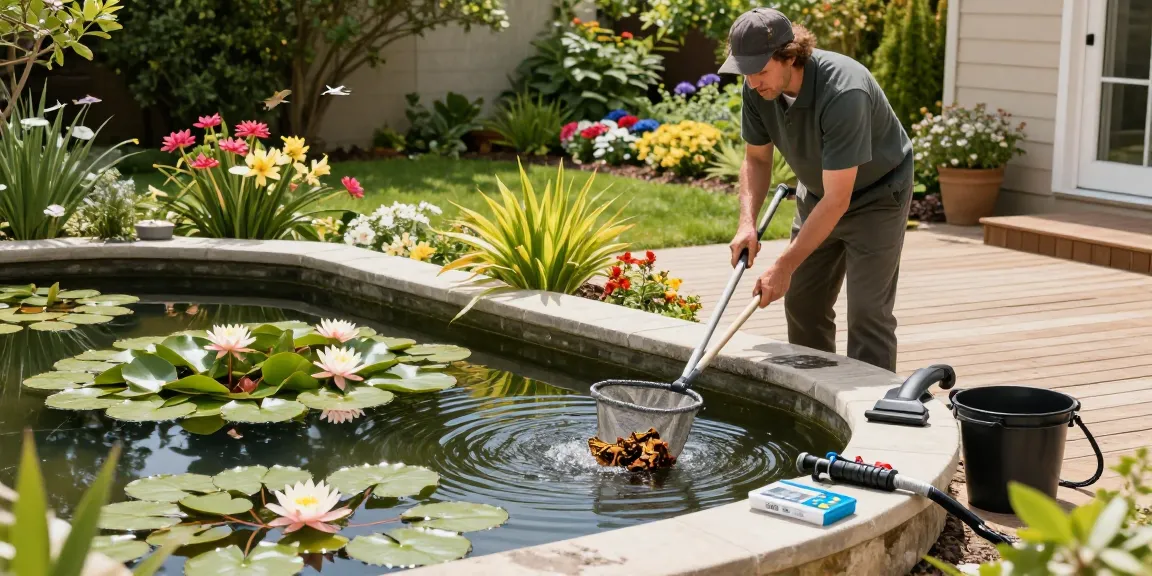
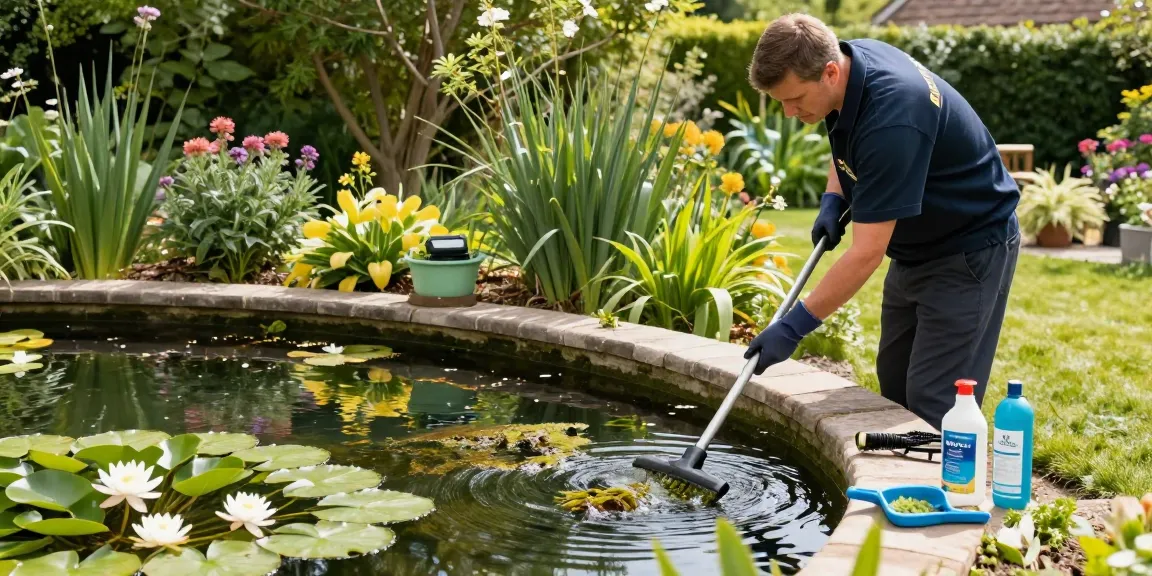
Regular maintenance includes trimming overgrown plants, removing dead foliage, and ensuring plants are adequately spaced to prevent overcrowding. Monitor water quality to maintain a balanced ecosystem and consider periodic checks to prevent invasive species from gaining a foothold.
Common Challenges and How to Overcome Them
Pond plants may face challenges such as nutrient deficiencies or competition from invasive species. Regular monitoring and management practices, like ensuring the right plant density and maintaining appropriate nutrient levels, will help mitigate these issues.
Future Trends in British Pond Plant Cultivation
As understanding of ecology evolves, so do methods of cultivating and maintaining pond plants. Here are some emerging trends to watch.
Innovative Techniques for Sustainable Gardening
Hydroponics and aquaponics are becoming popular as gardeners look for ways to integrate plant cultivation with sustainable practices. These methods encourage biodiversity and can enhance water quality naturally.
Emerging Plant Varieties for 2026 and Beyond
With ongoing research, new aquatic plant varieties are emerging that offer improved resilience and aesthetic appeal. Innovations may include varieties that can better withstand climate variability, contributing to a more robust ecosystem.
Environmental Considerations and Climate Resilience
As climate change impacts ecosystems, selecting resilient plant varieties will become increasingly important. Native British plants are often more adaptable and can help support ecological stability in uncertain conditions.
What are some popular pond plants in the UK?
Popular choices include water lilies, duckweed, and various species of marginal plants like yellow flag iris. These plants are favored for their aesthetic appeal and ecological benefits.
What are some native pond plants in the UK?
Native plants such as water forget-me-nots (Myosotis scorpioides) and brooklime (Veronica beccabunga) thrive in UK climates, providing vital habitats for local wildlife.
What are some popular plants for ponds?
Common aquatic choices include water lilies, hornwort, and water mint. These are appreciated for their beauty as well as their functional roles in the pond environment.
What are some native pond weeds from Britain?
Common native pond weeds include spiked water-milfoil (Myriophyllum spicatum) and Canadian pondweed (Elodea canadensis). While considered weeds, they play important roles in nutrient cycling and habitat creation.