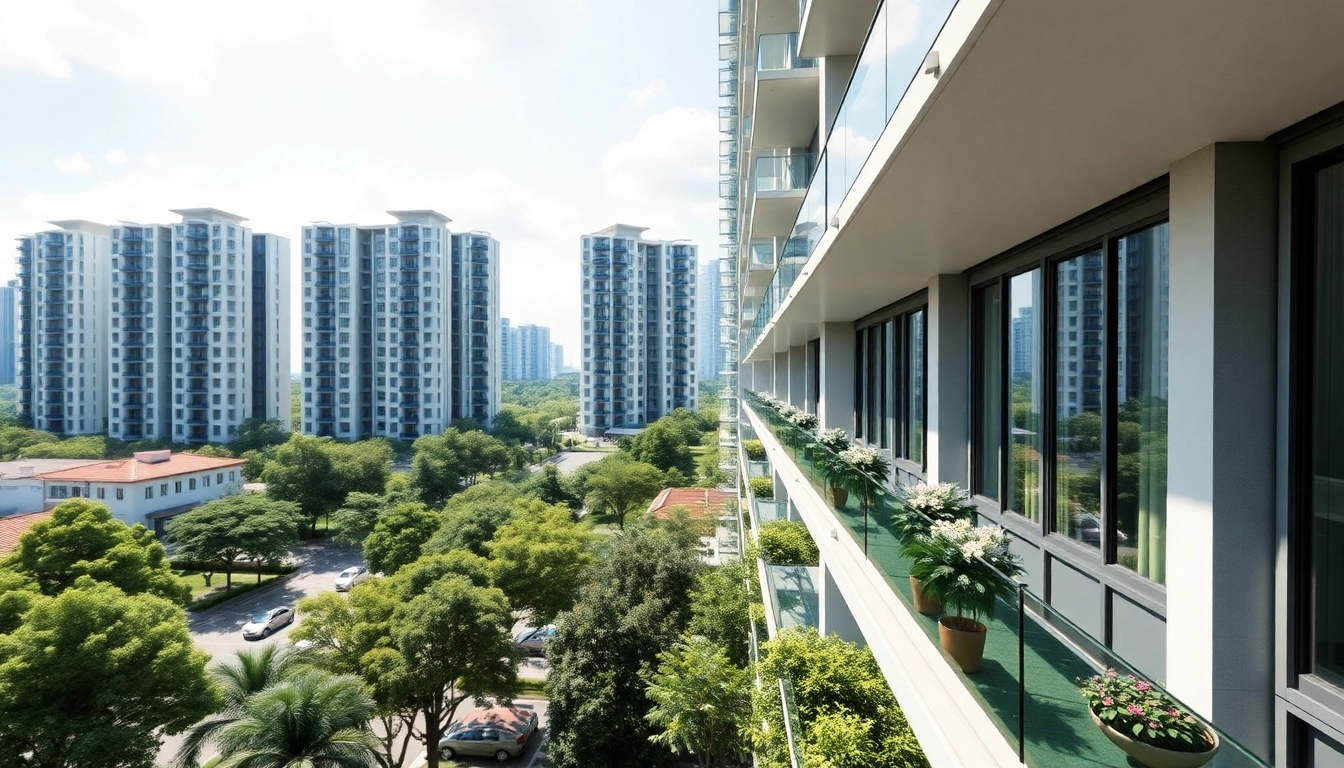
Comprehensive Guide to General Building Maintenance: Best Practices and Strategies
Understanding General Building Maintenance
1. What is General Building Maintenance?
General building maintenance refers to the routine and systematic processes involved in keeping a building functional, safe, and aesthetically pleasing. This encompasses a wide variety of tasks designed to uphold the integrity of the structure and its various systems, ensuring that everything runs smoothly. Essential duties include cleaning, repairs, inspections, and emergency response to issues such as leaks or electrical failures. Effective maintenance aims to protect the investment value of properties and create a comfortable environment for occupants. A comprehensive approach to general building maintenance allows organizations to minimize disruptions, extending the lifespan of building components and ensuring compliance with safety regulations.
2. Importance of Regular Maintenance
Regular maintenance is vital for numerous reasons. Firstly, it ensures the safety of occupants by preventing hazardous conditions from developing. Secondly, it enhances operational efficiency within the building, saving energy and reducing costs over time. Thirdly, well-maintained facilities foster a positive image for businesses, attracting clients and residents alike. Importantly, regular inspections and maintenance activities can identify minor issues before they evolve into costly repairs, helping to manage an organization’s budget effectively.
3. Common Tasks Involved in General Building Maintenance
The scope of general building maintenance is vast. Common tasks include:
- Cleaning: Regular cleaning of common areas, restrooms, and windows to maintain hygiene and aesthetics.
- Repairs: Swift handling of plumbing, electrical, HVAC, and structural repairs to prevent larger issues.
- Inspections: Routine safety and structural assessments to identify potential risks or needed interventions.
- Landscaping: Upkeeping outdoor spaces to enhance the overall appearance and curb appeal.
- Facility Upgrades: Applying modern improvements to enhance energy efficiency and functionality.
Types of Services Offered in General Building Maintenance
1. Planned Preventive Maintenance
Planned preventive maintenance (PPM) is a proactive approach that involves systematic inspections, service schedules, and upgrades based on predicted operational requirements. By scheduling regular maintenance tasks, such as HVAC inspections or fire alarm tests, facilities can significantly reduce the risk of unforeseen breakdowns. PPM not only enhances the longevity of systems and components but also ensures compliance with safety regulations.
2. Reactive Maintenance Strategies
Reactive maintenance, sometimes referred to as “breakdown maintenance,” occurs in response to system failures or issues that arise unexpectedly. While this approach can be effective in minor situations, relying solely on reactive maintenance can lead to increased downtime, higher repair costs, and disruption to regular operations. Successful building management incorporates a balanced mix of preventive and reactive strategies to optimize both performance and budgeting.
3. Specialized Building Maintenance Services
Certain contexts may require specialized building maintenance services. These could include:
- Janitorial Services: Maintaining cleanliness and sanitation standards across entire buildings.
- Landscape Maintenance: Focused care of outdoor areas for aesthetic appeal and erosion control.
- Electrical and Plumbing Services: Specific tasks that require specialized knowledge to comply with local codes and standards.
- Energy Management Services: Implementing solutions for energy efficiency, including auditing and upgrading systems.
Cost Considerations in General Building Maintenance
1. Budgeting for Maintenance Costs
Effective budgeting for general building maintenance requires a detailed assessment of all potential costs, including labor, materials, and unexpected repairs. Building managers should account for both routine tasks and larger projects while reserving a contingency fund for urgent needs. Evaluating past expenditures can help predict future costs, creating a proactive financial plan aligned with maintenance goals.
2. Finding Reliable Maintenance Partners
Selecting the right service providers is critical to effective building maintenance. Potential partners should be assessed based on their experience, specializations, and reputation within the industry. Reviews and testimonials offer valuable insights into their reliability and service quality. Establishing strong partnerships with maintenance providers can streamline operations significantly, improving responsiveness to emergencies.
3. Cost-Benefit Analysis of Maintenance Services
Conducting a cost-benefit analysis allows organizations to quantify the advantages of maintenance activities in relation to their costs. Factors such as the reduction of safety risks, minimization of downtime, and improved occupant satisfaction can be evaluated against financial investments. This analysis provides critical insight into optimizing the budget for maintenance services and achieving enhanced operational efficiency.
Best Practices for Effective General Building Maintenance
1. Developing a Maintenance Schedule
A well-crafted maintenance schedule serves as a roadmap for managing all building maintenance tasks. It should outline responsibilities, timing, and documentation of completed tasks. A scheduling software can aid in tracking inspections, service contracts, and reporting. Consistency in following the devised schedule improves performance across systems and enhances accountability within the maintenance team.
2. Utilizing Technology in Building Maintenance
Embracing technology can upgrade general building maintenance practices significantly. Management systems can assist with scheduling, tracking maintenance tasks, monitoring building systems’ performance, and maintaining records. IoT devices for real-time monitoring provide alerts for maintenance needs, reducing response time and enhancing overall efficiency.
3. Training Staff for Efficient Maintenance
Investing in staff training not only improves the effectiveness of maintenance activities but also fosters a culture of safety and care within the organization. Regular workshops, certifications, and hands-on training can ensure that personnel are knowledgeable about the latest maintenance practices and safety protocols, resulting in enhanced efficiency and reduced risk of accidents.
FAQs About General Building Maintenance
1. What does general maintenance include?
General maintenance includes cleaning, inspections, repairs, and ongoing upkeep of building systems and structures to ensure safety and functionality.
2. How often should building maintenance be performed?
Building maintenance should be performed regularly, with schedules often determined by the specific needs and usage of each facility, typically monthly or quarterly.
3. What are the signs that building maintenance is needed?
Signs include visible wear and tear, unusual noises from systems, leaks, inconsistent temperatures, and negative occupant feedback indicating discomfort or safety concerns.
4. Can general maintenance tasks be performed in-house?
Yes, many tasks can be tackled in-house, especially minor repairs and routine cleaning. However, certain complex tasks may require professional expertise.
5. What is the average cost of general building maintenance?
The average cost varies widely based on facility size, service frequency, and complexity, typically ranging from $1 to $5 per square foot annually.
Contact Information
Call Us: 780 454 6490
Email: [email protected]
Address: 12925 148 Street NW Edmonton, AB T5L 2H9