Understanding the Role of Education in Society
Education serves as the foundational pillar of human growth and societal development. It is more than just a means to impart knowledge; it is a complex system that shapes individuals and cultivates communities. The exploration of education involves understanding its vital role in personal development, community dynamics, and historical evolution. In this article, we will delve into the multifaceted nature of Education, and how it impacts every layer of our lives.
The Importance of Education for Individuals
Education empowers individuals by enhancing their critical thinking skills, enabling them to make informed decisions. It offers a pathway to economic advancement through job opportunities and higher earning potentials. Importantly, education fosters personal growth and self-awareness, equipping individuals with the tools to navigate life’s complexities.
Additionally, acquiring an education contributes to the development of character traits such as discipline, responsibility, and resilience. It encourages creativity and curiosity, which are essential for continuous personal development. Research shows that educated individuals are more likely to engage in civic activities, such as voting and volunteering, which further strengthens community bonds.
Impact of Education on Community Development
The benefits of education extend beyond the individual to encompass entire communities. A well-educated populace tends to innovate more, thus stimulating economic growth and reducing poverty rates. In various studies, communities with higher education levels report lower crime rates and improved health outcomes, as educated individuals are often more aware of and engaged in health-promoting behaviors.
Furthermore, education plays a crucial role in fostering social cohesion. It breaks down barriers, promotes multiculturalism, and develops a sense of social responsibility. As individuals from diverse backgrounds come together in educational institutions, they learn to appreciate different perspectives and traditions, which contributes to a more inclusive society.
Historical Perspectives on Education Systems
To grasp the current educational landscape, one must understand its historical context. Education systems have evolved significantly from primitive forms of knowledge transfer to today's structured environments. Historical accounts reflect that education was once restricted to the elite, but progressive movements have gradually expanded access to all demographics.
In ancient civilizations, education was primarily about imparting knowledge related to trade, religion, and social status. The establishment of formal education institutions marked a significant transition. The advent of the printing press revolutionized access to information, paving the way for contemporary education systems. As the world faced industrialization and globalization, the need for skilled workers led to the restructuring of education to match the demands of the economy.
Modern Methods in Education Delivery
The educational landscape today is marked by rapid advancements in technology and pedagogy. Modern methods of delivery cater to diverse learning styles and needs, enhancing the educational experience. Below, we explore some of these innovative methods.
Blended Learning Environments
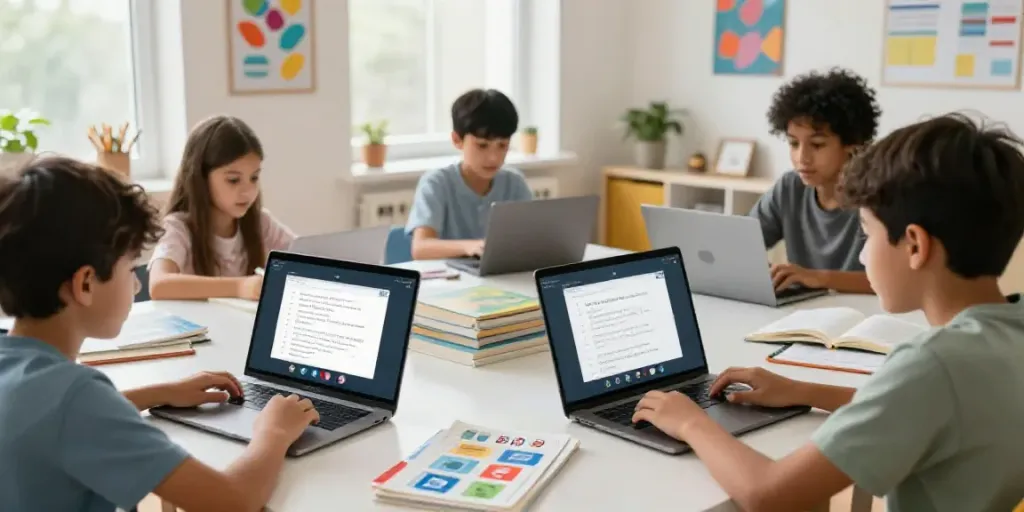
Blended learning combines traditional face-to-face instruction with online learning elements. This hybrid approach caters to various learning preferences and fosters a more engaging atmosphere. Students are granted the flexibility to learn at their own pace while still benefiting from direct interaction with educators.
Research indicates that blended learning can significantly increase student engagement and motivation. By utilizing online platforms, educators can provide diverse resources, encouraging students to explore topics in greater depth and at a comfortable speed. Furthermore, blended learning environments promote vital skills such as self-regulation and independent learning.
Utilizing Technology for Enhanced Learning
Technology's integration into education has transformed how students learn and teachers instruct. Digital tools, such as learning management systems (LMS), facilitate customized learning experiences. Through these platforms, instructors can track progress, manage resources, and provide instant feedback. This data-driven approach enables tailored learning strategies that cater to each student's unique needs.
Moreover, technology prepares students for a future where digital literacy is paramount. Tools like virtual reality (VR) and augmented reality (AR) offer immersive learning experiences, bringing complex subjects to life and making abstract concepts tangible. These advancements position students at the forefront of innovation, priming them to tackle future challenges.
Project-Based Learning Approaches
Project-based learning (PBL) emphasizes active exploration, where students engage in real-world projects that enhance critical thinking, collaboration, and creativity. This method transcends traditional rote learning, allowing students to apply theoretical knowledge to practical tasks.
PBL fosters engagement by making learning relevant and meaningful. Students often feel a sense of ownership over their projects, increasing motivation and enhancing retention. Educators serve as facilitators, guiding students through the inquiry process while encouraging collaborative dialogue. As a result, students develop essential skills for the 21st-century workforce, such as communication and teamwork.
Challenges in Education Systems
Despite advancements, numerous challenges persist within education systems that hinder effective learning experiences. Identifying these challenges is the first step toward developing strategic solutions.
Identifying Educational Inequities
Educational inequities remain a pervasive issue, often manifesting along socioeconomic, racial, and geographic lines. Access to quality education can vary significantly based on these factors, resulting in achievement gaps that limit opportunities for marginalized groups.
Addressing inequities requires a comprehensive understanding of systemic barriers that restrict access to education. Strategies may include policy reforms, community engagement initiatives, and investment in underfunded schools. A concerted effort is necessary to dismantle these barriers and create equitable educational opportunities for all students.
Adapting Curricula for Diverse Learners
Diversity in learning needs and styles presents a formidable challenge in education. Curricula often need to evolve to accommodate students with varying abilities, backgrounds, and interests. Differentiated instruction has become essential in addressing these discrepancies.
Educators must employ varied teaching methods to engage all learners effectively. This may include hands-on activities, multimedia resources, and personalized learning plans. Fostering an inclusive learning environment that respects and celebrates diversity will ensure all students have the opportunity to thrive.
Addressing Teacher Shortages and Retention
Teacher shortages pose a critical challenge for education systems globally. Factors contributing to this issue include workload, compensation, and lack of support. Ensuring teacher retention is vital to maintaining educational quality and student success.
Strategies to address this challenge include investing in teacher training programs, offering competitive salaries, and fostering supportive work environments. Additionally, recognizing and addressing teacher burnout can enhance job satisfaction and retention rates. Schools must prioritize teacher well-being to cultivate an effective workforce.
Best Practices for Improving Education Quality
Improving the quality of education requires the implementation of best practices that resonate with the interests of both learners and educators. These practices can transform educational experiences and outcomes.
Engaging Students through Innovative Techniques
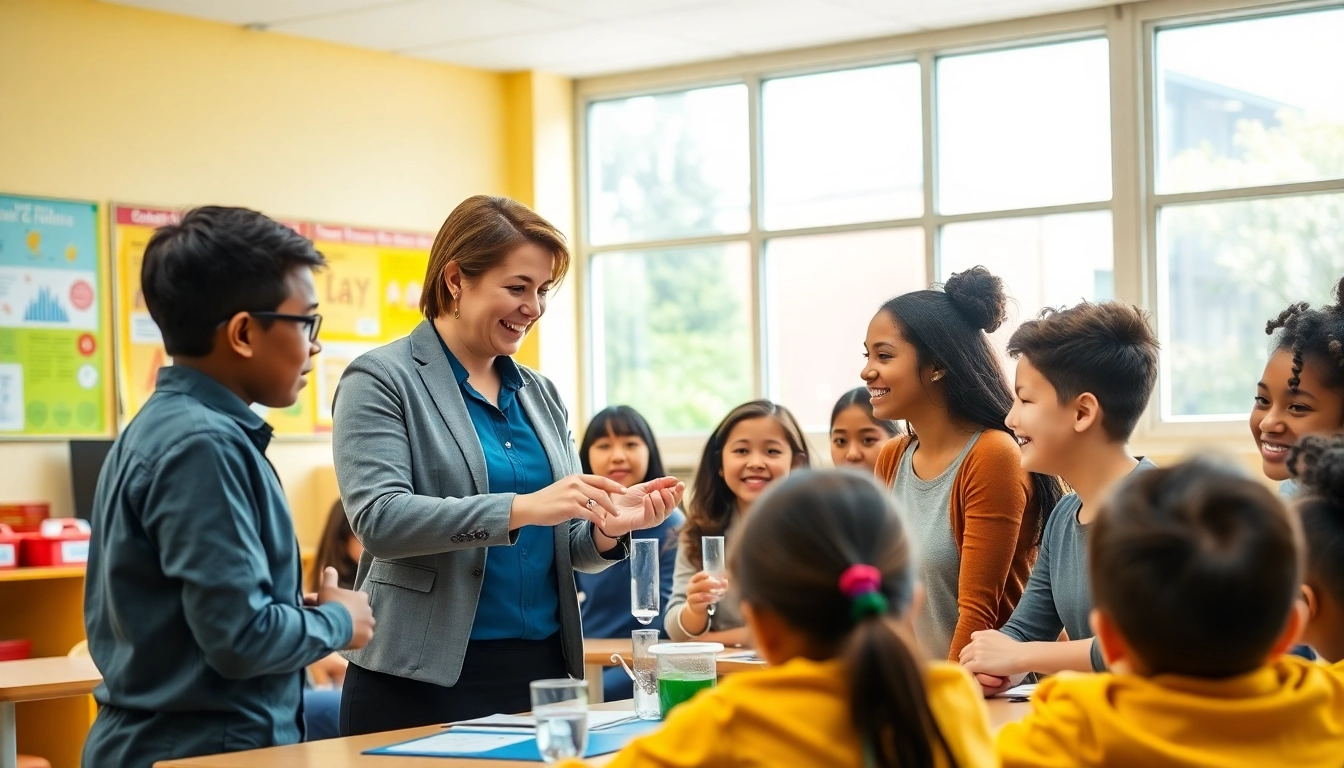
Educational engagement is crucial for productive learning experiences. Teachers are encouraged to incorporate innovative techniques such as gamification, interactive technology, and experiential learning to captivate students’ interests. Such techniques motivate students to participate actively and take ownership of their educational journey.
A focus on real-world connections also enhances engagement. Project-based activities or community-based learning opportunities allow students to see the relevance of their education, thus motivating them to engage deeply with the subject matter.
Assessment Methods for Effective Learning
Effective assessment practices are fundamental for measuring student progress and understanding. Traditional testing methods often overlook critical skills such as creativity and problem-solving. Therefore, incorporating formative assessments, peer reviews, and portfolios can provide a more comprehensive view of a student's skills and progress.
Moreover, educators should focus on providing constructive feedback that guides students on their learning trajectories. Utilizing assessment data to inform instructional practices will help create a more responsive learning environment.
Creating Inclusive Learning Environments
Inclusivity in education is essential to creating an environment where all students feel valued and supported. Strategies to create such environments include flexible seating arrangements, varied instructional materials, and fostering a culture of respect and acceptance.
It is crucial to train educators in cultural competency and anti-bias education to foster a safe and welcoming classroom. Promoting diverse perspectives in the curriculum will enrich the educational experience for all students and help them understand and appreciate diversity.
Future Trends in Education
The landscape of education continues to evolve, influenced by societal needs, technological advancements, and pedagogical research. Several future trends are poised to shape how education is delivered and experienced.
Emphasis on Lifelong Learning
The concept of lifelong learning recognizes that education is not confined to traditional classroom settings. As industries and technologies evolve, the need for continuous skill development becomes paramount. Future educational frameworks will likely emphasize personal and professional growth through ongoing education.
Institutions may offer more modular learning experiences that allow individuals to pursue education at their convenience. Online courses, workshops, and learning communities will support this trend, enabling people to adapt to changing job markets and personal aspirations.
Global Education Initiatives and Collaborations
Globalization has led to increased collaborations among educational institutions worldwide. Joint initiatives can enhance curriculum development, promote cultural exchange, and foster a shared understanding of global issues.
Programs that encourage student exchanges and international partnerships will enrich educational experiences, preparing students to thrive in an interconnected world. As governments and organizations prioritize global education, students will gain the skills and knowledge to address pressing global challenges collaboratively.
Preparing Students for a Changing Workforce
As technology reshapes the job market, education systems must prepare students for future workforce demands. Emphasizing skills such as critical thinking, emotional intelligence, and digital literacy will be crucial in equipping students for success in an ever-evolving landscape.
Integration of career-focused programs, internships, and mentorship opportunities within educational curricula can provide students with hands-on experiences that bridge the gap between education and employment. As industries continue to transform, educational institutions must remain responsive to these changes, continuously updating curricula to align with workforce expectations.
In conclusion, education is a powerful driver of individual and collective progress. It shapes personal aspirations, strengthens communities, and adapts to the needs of society. By embracing modern methodologies and addressing existing challenges, we can create an educational landscape that is inclusive, innovative, and responsive to the demands of the future.