
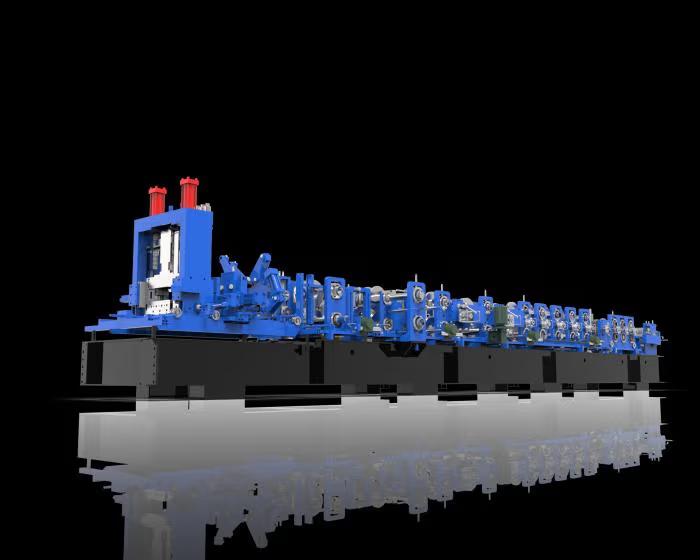
As production demands continue to grow, manufacturers are placing greater emphasis on improving efficiency and maintaining continuous operations. Downtime can significantly impact productivity, increase operating costs, and delay project completion, making it one of the biggest challenges in modern manufacturing.
For roll forming operations, reducing downtime is essential for maximizing output and maintaining customer satisfaction. By combining effective maintenance practices with custom framing tools and custom machinery solutions manufacturers can improve equipment reliability and keep production running smoothly.
The Impact of Downtime on Manufacturing
Roll forming operations depend on consistent machine performance to meet production schedules. Unexpected equipment failures, maintenance issues, and setup delays can disrupt workflow and reduce overall productivity.
Even short periods of downtime can result in lost production opportunities and increased operating expenses. As a result, many manufacturers are investing in strategies that help prevent interruptions and improve operational efficiency.
Benefits of Reducing Downtime
Increased Productivity
Minimizing machine interruptions allows manufacturers to maintain production schedules and achieve higher output levels.
Lower Operating Costs
Reducing downtime can help decrease repair expenses, labor costs, and production losses associated with equipment failures.
Improved Equipment Reliability
Regular maintenance and monitoring help identify potential issues before they develop into major problems.
Better Product Quality
Stable production conditions support consistent manufacturing performance and reliable product quality.
Enhanced Customer Satisfaction
Meeting delivery schedules and maintaining production efficiency can help strengthen customer relationships and business reputation.
Manufacturers can reduce downtime through:
- Preventive maintenance programs
- Regular equipment inspections
- Operator training
- Production monitoring systems
- Timely replacement of worn components
- Process optimization
- Equipment upgrades
These practices help create a more reliable and efficient production environment.
Supporting Efficient Production Processes
Many manufacturers use custom framing tools to produce specialized profiles for construction and industrial applications. Keeping these tools properly maintained helps prevent production delays and supports consistent manufacturing performance.
Well-maintained tooling can also improve product quality while reducing the likelihood of unexpected equipment issues.
Choosing the Right Operational Strategy
Manufacturers should evaluate maintenance procedures, equipment reliability, automation capabilities, and workforce training when developing downtime reduction strategies. Investing in advanced custom machinery solutions can help improve machine performance while supporting long-term operational efficiency.
A proactive approach to maintenance and production management can provide significant benefits throughout the manufacturing process.
Conclusion
Reducing downtime is an important goal for manufacturers seeking to improve productivity and maintain competitive operations. By focusing on preventive maintenance, equipment monitoring, and efficient production practices, businesses can minimize disruptions and improve overall performance.
Whether utilizing specialized custom framing tools or advanced custom machinery solutions, manufacturers can take practical steps to reduce downtime and achieve more reliable roll forming operations.