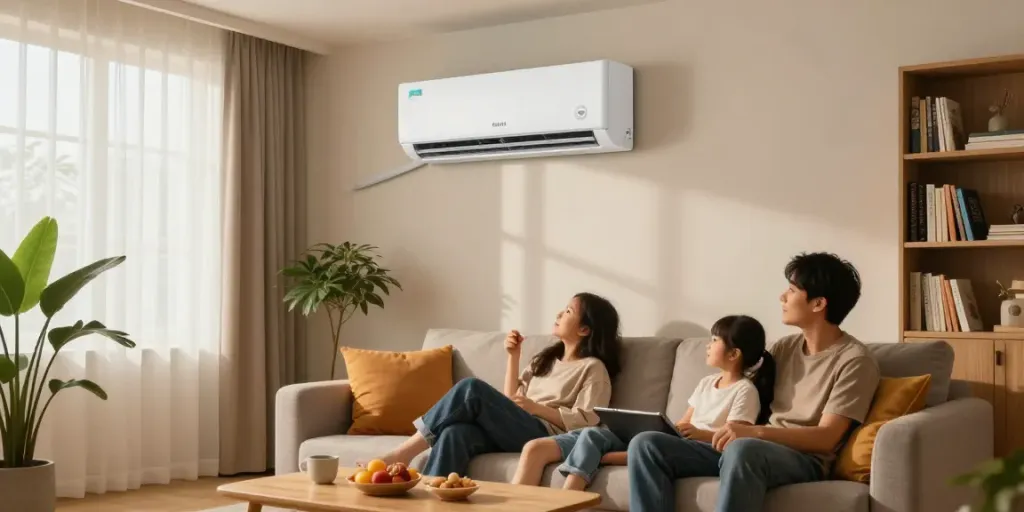
Understanding Mini Split Air Conditioners
As energy costs continue to rise, homeowners are increasingly seeking efficient and effective solutions for their heating and cooling needs. One such solution is the mini split of air conditioner. These systems provide a unique combination of flexibility, efficiency, and comfort, making them an attractive option for a wide range of spaces. Whether you’re upgrading an old system or installing a new one, understanding how mini split air conditioners function can significantly enhance your decision-making process.
Mini split systems are particularly known for their versatility, allowing you to control the temperature in individual rooms or zones without the extensive ductwork required by traditional HVAC systems. This article will delve deeper into what a mini split air conditioner entails, its key components, and how it works to maintain the ideal temperature in your living spaces. When exploring options, mini split of air conditioner provides comprehensive insights into the various models available.
What is a Mini Split of Air Conditioner?
A mini split air conditioner, also known as a ductless mini split, is a compact HVAC system that provides heating and cooling to individual rooms or zones. Unlike traditional air conditioning systems that rely on extensive ductwork to distribute cooled or heated air, mini splits use a series of indoor and outdoor units connected by refrigerant lines. This makes them an ideal solution for homes without existing ductwork, as well as for those looking to enhance energy efficiency.
Key Components of Mini Split Systems
A mini split system typically consists of two main components: an outdoor unit and one or more indoor air handling units. Each component plays a critical role in the system's overall performance:
- Outdoor Unit: This unit houses the compressor and condenser. It is responsible for expelling heat absorbed from inside the home to the outside environment.
- Indoor Unit: These units can be wall-mounted, ceiling-mounted, or even floor-mounted. They circulate the cooled or heated air throughout the room and are often equipped with filters to improve air quality.
Additional components may include a remote control, which allows users to adjust settings easily, and a multi-zone configuration that enables temperature control in multiple areas simultaneously.
How Mini Split Systems Work for Temperature Control
Mini split systems operate on the principle of heat transfer. In cooling mode, the system absorbs heat from inside the room and transfers it outside, while in heating mode, it reversed the process. Here’s how the process generally works:
- The indoor unit evaporates refrigerant, converting it from liquid to gas, which absorbs heat from the indoor air.
- The compressor in the outdoor unit compresses the refrigerant gas, raising its temperature and pressure.
- The hot refrigerant gas then travels to the outdoor unit, where it releases the absorbed heat into the outdoor air, converting back into a liquid.
- The cycle repeats as the cooled refrigerant returns to the indoor unit to absorb more heat.
Advantages of Mini Split Air Conditioners
The growing popularity of mini split systems can be attributed to several key advantages, making them a preferred choice for homeowners and businesses alike.
Energy Efficiency and Cost Savings
One of the most significant benefits of a mini split air conditioner is its energy efficiency. According to studies, mini splits typically offer higher Seasonal Energy Efficiency Ratios (SEER) than traditional systems. This efficiency translates to lower energy bills and a reduced carbon footprint, making mini splits an environmentally friendly option.
Flexible Installation Options for Every Space
Mini splits can be installed in various configurations, allowing for customized solutions in all types of spaces. Whether you own a single-family home, a multi-family residence, or a commercial space, mini splits can adapt to your specific needs without the need for complicated ductwork.
Noise Reduction Benefits Compared to Traditional Systems
Mini split systems are designed to operate quietly, providing a comfortable environment without the disruptive noise commonly associated with traditional HVAC units. This feature makes them particularly appealing for bedrooms, home offices, and other quiet spaces.
Installation Considerations for Mini Splits
While mini split systems offer great flexibility and efficiency, proper installation is crucial for optimal performance. Here are some key considerations before proceeding with installation.
Assessing Space and Load Requirements
Before installation, it is essential to assess the space and load requirements accurately. This involves calculating the required BTUs (British Thermal Units) to ensure the system can effectively cool or heat the area. Factors such as room size, ceiling height, insulation, and the number of windows will influence the load calculation.
Types of Installation: Professional vs. DIY
While some homeowners may consider a DIY installation to save money, it is generally recommended to hire a professional. An experienced technician can ensure that the system is installed correctly and operating at maximum efficiency, as improper installation can lead to increased energy costs and reduced system lifespan.
Common Mistakes to Avoid During Installation
Some common mistakes include incorrectly sizing the units, improper placement of indoor units, and neglecting to seal the refrigerant lines properly. These errors can significantly impact the system's efficiency and performance, underscoring the importance of a careful installation process.
Maintenance Tips for Your Mini Split System
Maintaining your mini split system is crucial for ensuring long-term performance and efficiency. Regular maintenance can prevent costly repairs and extend the system’s lifespan.
Regular Cleaning and Filter Replacement
Keeping the indoor units clean is essential to prevent dust and allergens from circulating in the air. Regularly clean the filters, usually every 1-3 months, and schedule a professional cleaning of the outdoor unit to ensure it operates efficiently.
How to Troubleshoot Common Issues
Common issues with mini split systems include inadequate cooling or heating, unusual noises, and increased energy bills. Familiarize yourself with basic troubleshooting steps, such as checking the thermostat settings, ensuring the filters are clean, and inspecting the outdoor unit for obstructions.
Professional Maintenance: When and Why
Even with regular DIY maintenance, scheduling professional inspections at least once a year is highly recommended. Professionals can detect potential problems before they escalate and provide necessary repairs or adjustments to enhance system performance.
Future Trends in Mini Split Air Conditioning for 2026
The mini split air conditioning market is poised for continued growth and innovation in the coming years. Several trends are shaping the future of this technology.
Innovations in Energy Efficiency and Smart Technology
As the demand for energy-efficient solutions rises, manufacturers are incorporating advanced technologies into mini split systems. This includes improved inverter technology that adjusts compressor speeds based on real-time heating or cooling needs, further enhancing efficiency.
Integration with Home Automation Systems
Smart home technology is becoming increasingly popular, and mini split systems are no exception. Integration with home automation systems allows users to control their HVAC settings remotely, schedule operation times, and monitor energy usage through smart devices.
Predictions for Market Growth and Adoption Rates
Experts predict that the adoption of mini split systems will continue to increase, driven by rising energy costs and a growing emphasis on energy-efficient solutions. The flexibility and effectiveness of mini splits make them a desirable option for many homeowners looking for smart HVAC solutions.
What are the downsides of a mini-split AC system?
While mini split systems offer many benefits, potential downsides include higher upfront costs compared to traditional systems and aesthetic concerns regarding the appearance of indoor units. Additionally, improper installation can lead to inefficiencies.
Why is my electric bill so high with mini split?
High electric bills may result from various factors, including inadequate insulation, incorrect unit sizing, or excessive use of the system. Monitoring your usage and ensuring proper maintenance can help mitigate these costs.
What is the typical cost of installing a mini split system?
The installation costs for mini splits can vary based on factors like the number of indoor units needed and local labor rates. On average, homeowners can expect to spend between $3,000 and $5,000 for a complete installation.
Are mini-splits good for air conditioning?
Yes, mini split systems are highly effective for air conditioning, especially in homes without ductwork. They offer zoning capabilities, energy efficiency, and the ability to maintain consistent temperatures across different rooms.