Understanding the Role of Glass Machine Suppliers
In today's rapidly evolving industrial landscape, glass machine suppliers play a pivotal role in the manufacturing and processing of glass products. These suppliers offer a wide range of machinery designed to enhance efficiency, improve product quality, and reduce production costs for businesses involved in the glass industry. In particular, organizations like Eworld Machinery provide comprehensive solutions for various glass applications, ensuring businesses remain competitive in an ever-demanding market. When exploring options, glass machine suppliers can be critical partners for manufacturers looking to optimize their operations.
What Do Glass Machine Suppliers Offer?
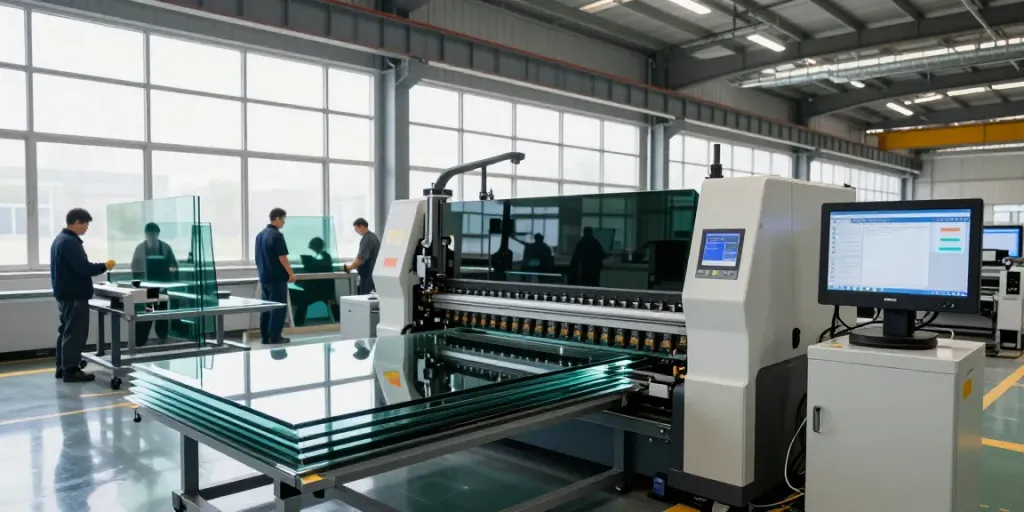
Glass machine suppliers offer an extensive array of equipment designed to cater to various aspects of glass production and processing. Their product offerings typically include:
- Cutting Machines: Essential for producing precise glass shapes and sizes, ensuring minimal waste and high-quality outputs.
- Washing Machines: Required for cleaning glass surfaces, which is crucial for maintaining product quality and preparation for further processing.
- Edge Polishing Machines: Used to smooth and finish the edges of glass products, essential for aesthetic purposes and safety.
- Laminating Machines: Important for creating safety glass and other laminated products, enhancing durability and performance.
- Drilling Machines: Facilitate the production of holes in glass materials, used in numerous applications including construction and decorative pieces.
- Sandblasting Machines: Employed for surface treatment and decoration, they provide texture and unique designs on glass surfaces.
- Laser Machines: For precision cutting and engraving, allowing for intricate designs and high levels of detail.
- PVC Window and Door Machines: Specialized equipment for fabricating window and door frames, emphasizing energy efficiency and durability.
Key Types of Glass Machinery Available
The diversity in glass machinery reflects the broad applications of glass in various industries including automotive, construction, and consumer products. Key types of glass machinery available in the market include:
- Insulating Glass Production Lines: Designed for manufacturing double or triple-glazed windows that provide improved insulation.
- Glass Tempering Furnaces: Machines that strengthen glass by subjecting it to high temperatures followed by rapid cooling.
- CNC Glass Processing Machines: Computerized equipment that delivers high precision in glass cutting and shaping.
- Glass Handling Systems: Critical for transporting glass safely around processing plants, minimizing breakage and damage.
The Importance of Quality and Innovation
As the glass manufacturing industry evolves, quality and innovation are paramount. Suppliers must not only provide durable and efficient machinery but also stay ahead of technological advancements. Innovations in machinery can lead to:
- Increased Efficiency: New technologies can significantly reduce production times.
- Enhanced Safety: Improved designs can minimize risks associated with glass handling and processing.
- Better Product Quality: Advanced machinery often results in products with superior aesthetics and performance.
Identifying Reputable Glass Machine Suppliers
Finding a trustworthy glass machine supplier is crucial for any business in the glass industry. The right supplier can make a significant difference in operational efficiency and overall profitability. Here are some steps to ensure you choose a reputable partner:
Researching Supplier Credentials and Experience
Before entering into any agreements, it is essential to conduct thorough research on potential suppliers. Look for:
- Years in Operation: Established suppliers often have proven track records.
- Certifications: Industry certifications can indicate compliance with safety and quality standards.
- Product Range: A diverse product portfolio can signal reliability and expertise.
Evaluating Customer Reviews and Testimonials
Customer feedback is a valuable resource for assessing a supplier's reputation. Look for:
- Online Reviews: Platforms like Google Reviews or industry-specific forums can provide insights into customer satisfaction.
- Case Studies: Successful projects showcased on supplier websites can serve as proof of their capabilities.
- References: Ask suppliers for references you can contact to discuss their experiences.
Checking After-Sales Support and Warranty Offers
After-sales support can significantly impact your long-term partnership with a supplier. Ensure that they offer:
- Technical Support: Quick access to help if machines malfunction or require servicing.
- Warranty Details: Clear warranty terms that protect your investment in case of defects or failures.
- Spare Parts Availability: Assurance that spare parts will be readily available for maintenance and repairs.
Common Scams Targeting Glass Machine Buyers
With increasing demand for glass machinery, scams targeting buyers have become more prevalent. Understanding these risks can help businesses protect themselves.
Identifying Red Flags in Supplier Communications
Some signs can help identify potential scams, including:
- Lack of Transparency: Suppliers unwilling to share credentials or detailed product information should raise concerns.
- Pressure Tactics: If a supplier is rushing you to make a decision, consider this a red flag.
- Unprofessional Communication: Poor grammar, unprofessional emails, or lack of official business communications can indicate a scam.
Popular Scam Tactics Used in the Industry
Common tactics include:
- Advance Payment Requests: Fraudulent suppliers may request full payment before delivery, which is risky.
- Phishing Emails: Suppliers may use emails designed to steal sensitive information.
- Counterfeit Machinery: Selling subpar or counterfeit machines disguised as authentic can lead to significant losses.
Real-Life Examples of Glass Machine Supplier Scams
There are numerous documented cases of scams in the glass machinery sector. For instance:
- Companies have reported losing thousands to suppliers who provide fake invoices or do not deliver goods after payment.
- Some businesses have encountered damaged machinery being sold as new, only to discover the truth once they attempted to use the equipment.
Protecting Yourself When Purchasing Glass Machinery
Taking precautions can significantly reduce the risk of falling victim to scams when purchasing glass machinery. Here are some best practices:
How to Verify Supplier Information Effectively
To verify a supplier's legitimacy, consider these steps:
- Visit Their Facility: If possible, inspect the supplier’s manufacturing site to verify their operations.
- Use Trusted Networks: Engage with industry associations or groups that can provide reliable supplier recommendations.
- Request Documentation: Ask for business licenses, tax IDs, and other official documents to confirm their legitimacy.
Best Practices for Secure Transactions
Ensuring transactions are secure can prevent financial loss. Best practices include:
- Use Secure Payment Methods: Trustworthy suppliers will offer secure payment options such as credit cards or verified payment systems.
- Draft Clear Contracts: Solid contracts protect both parties and outline terms of service and responsibilities.
- Stagger Payments: Rather than paying upfront, negotiate staggered payments based on milestones or delivery confirmations.
Utilizing Industry Networks for Recommendations
Building relationships within the industry can provide invaluable insights:
- Consult Peers: Reach out to other glass manufacturers for their supplier recommendations based on their experiences.
- Attend Trade Shows: Engage in industry events to meet suppliers and assess their offerings firsthand.
- Join Online Forums: Participate in discussions with other professionals about trusted suppliers and potential red flags.
Future Trends in Glass Machinery and Supplier Relationships
The glass manufacturing industry is poised for significant changes in the coming years. Here’s a look at future trends that could shape supplier relationships:
Innovations in Glass Machine Technology for 2026
Advancements in technology will continue to revolutionize glass manufacturing, including:
- Automation: Increased automation in machinery will enhance efficiency and reduce labor costs.
- Smart Technologies: IoT integration into machinery will allow for real-time monitoring and data collection, optimizing performance.
- Eco-Friendly Machines: Demand for sustainable practices will drive innovation for machinery that reduces energy usage and minimizes waste.
Shifts in Supplier Dynamics and Market Challenges
As the industry evolves, suppliers may face challenges such as:
- Supply Chain Disruptions: Global events can impact material availability and delivery timelines.
- Increased Competition: A growing number of suppliers can lead to price wars, affecting profit margins.
- Regulatory Changes: Suppliers must adapt to new regulations governing manufacturing processes and sustainability standards.
Preparing for Regulatory Changes Affecting Suppliers
Changes in regulations can have widespread implications, and suppliers must stay informed to adapt accordingly:
- Monitoring Legislation: Suppliers should keep abreast of changes in industry regulations related to emissions, safety, and manufacturing practices.
- Proactive Compliance Strategies: Implementing compliance measures early can prevent future disruptions and supply chain issues.
- Engaging with Regulatory Bodies: Active participation in industry discussions can inform suppliers of impending changes and help them adapt.
What is the average cost of a glass making machine?
The cost of glass-making machines can vary significantly based on features, capacity, and technology. Basic machines may start at a few thousand dollars, while advanced, automated systems can cost hundreds of thousands. Businesses should consider their needs and budget when exploring options.
Who are the leading glass machine manufacturers?
Some prominent manufacturers in the glass machinery sector include Eworld Machinery, Lisec, Bottero, and CMS. These companies are recognized for their innovative solutions and commitment to quality, making them reliable suppliers in the industry.
Are there used glass machine suppliers available?
Yes, there is a market for used glass machines. Various suppliers specialize in refurbishing and reselling second-hand machinery, offering cost-effective solutions for businesses looking to expand their operations without breaking the bank.
How can I choose the right glass machine supplier?
Choosing the right supplier involves researching their reputation, evaluating product offerings, and understanding customer service mechanisms. Engaging with other professionals in the industry can provide valuable insights and recommendations.
What trends should I expect in glass manufacturing technology?
Expect to see increased automation, sustainability initiatives, and the integration of smart technologies in glass manufacturing. These trends will drive efficiency and competitiveness in an ever-evolving industry landscape.