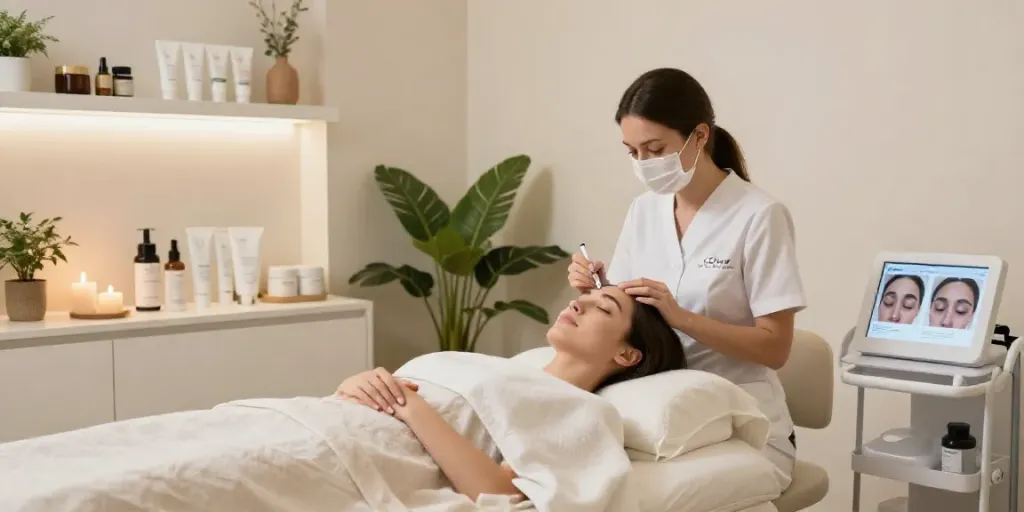
Understanding Dark Circles: Causes and Impact on Appearance
Dark circles under the eyes can be a source of frustration for many, impacting not only one's appearance but also self-confidence. These shadowy areas can make you look tired, older, or less energetic, regardless of your actual health or mood. Understanding the causes behind dark circles is crucial for anyone wanting to achieve a fresher and more vibrant look. Recent studies show that nearly 50% of adults experience some form of dark circles at some point in their lives, highlighting the need for effective solutions like Augenringe abdecken. This article will delve into the root causes of dark circles, common misconceptions, and the emotional effects they can have on individuals.
What Causes Augenringe?
Dark circles can arise from various factors, including genetics, lifestyle choices, and health conditions. Here are the main culprits:
- Genetic Predisposition: A family history of dark circles can increase your likelihood of developing them, as inherited traits affect skin pigmentation and vascular structures.
- Lack of Sleep: Insufficient sleep can cause blood vessels under the eyes to dilate, leading to a darker appearance.
- Dehydration: Not drinking enough water can cause the skin to become dull and emphasize shadowy areas.
- Allergies: Allergic reactions can lead to swelling and inflammation around the eyes, creating the illusion of darker circles.
- Age: As we age, skin loses collagen and fat, which can make dark circles more prominent.
Common Misconceptions about Dark Circles
Many myths exist surrounding the causes and treatments of dark circles. One common misconception is that they are solely caused by fatigue. While lack of sleep is certainly a contributing factor, conditions such as allergies and aging also play significant roles. Additionally, some people wrongly believe that dark circles can be effectively covered with heavy makeup. While concealer can help, it often masks the problem rather than address the underlying causes.
Physical and Emotional Effects of Dark Circles
The presence of dark circles can affect how individuals perceive themselves and how others view them. Physically, it can lead to reduced confidence and a perception of being less capable. Emotionally, constantly feeling the need to cover up dark circles can be tiring and may lead to anxiety about one’s appearance when in social situations.
Effective Methods for Augenringe abdecken
When it comes to addressing dark circles, a variety of approaches are available. From topical treatments to innovative procedures, individuals can choose which method suits them best.
Topical Treatments: Creams and Serums
Topical products often serve as a first line of defense against dark circles. Creams containing ingredients like caffeine, retinol, vitamin C, and hyaluronic acid can help reduce puffiness and brighten the under-eye area. Regular use may improve circulation and stimulate collagen production, making the skin appear firmer and more youthful.
Non-Invasive Procedures: CCeye Overview
For those seeking more immediate results, non-invasive treatments like CCeye® can be a game-changer. This method is distinct from traditional concealers or makeup solutions, as it promotes the body’s natural collagen and elastin production. The procedure is pain-free, non-invasive, and typically requires a series of sessions for optimal results. Clients often report significant improvements within just one session, leading to a marked reduction in the appearance of dark circles.
Home Remedies: Natural Solutions for Dark Circles
Many people also explore natural remedies to combat dark circles. Popular methods include using cold tea bags, cucumber slices, or chilled spoons placed over the eyes to reduce swelling and brighten the area. While these home remedies may not provide permanent solutions, they can temporarily alleviate the appearance of dark circles.
Choosing the Right Concealer for Augenringe abdecken
While treating dark circles at the source is ideal, makeup can provide immediate cover-up options. Choosing the right concealer is crucial to achieve flawless coverage without drawing attention to the under-eye area.
Color Theory: Selecting the Best Shades
Understanding color theory can enhance your concealment strategy. For instance, peach or orange-toned concealers can neutralize blue or purple undertones in dark circles. Conversely, yellow-toned concealers work well for brown or red shadows. It’s advisable to choose a shade that is one or two tones lighter than your natural skin tone for the best results.
Application Techniques for Flawless Coverage
Application techniques play a crucial role in how well concealer covers dark circles. Using a small, soft brush or your fingertip, apply the concealer in a triangular shape under the eye, extending it towards the cheek. This technique not only covers dark areas but also lifts the appearance of the face.
Common Concealer Mistakes to Avoid
Avoid common pitfalls such as using too much product, which can settle into fine lines and creases. Additionally, applying a matte concealer on dry skin can exacerbate the issue; instead, opt for creamy formulas that hydrate and smooth.
Real Client Transformations: Success Stories and Testimonials
Real-life success stories can provide hope and confidence to those struggling with dark circles. Here are some highlights from clients who have undergone CCeye® treatments:
Before-and-After Highlights of CCeye Treatments
Photos highlighting the transformations can be incredibly powerful. Many clients report visible reductions in dark circles after just one treatment. With ongoing care, the results can last for years, providing lasting relief and renewed confidence.
Client Feedback: What Results Can You Expect?
Feedback from clients illustrates the effectiveness of CCeye®. Many express astonishment at the immediate improvement in their appearance, stating they feel more confident and less inclined to rely on concealers.
Expert Insights: Behind the Treatment Process
Professionals at YouthRevolution emphasize the importance of personalized treatment plans tailored to each individual’s needs. The goal is to create a natural, vibrant look that enhances the client's features rather than masking them.
Future Trends in Eye Treatments and Care
As beauty and skincare technology advances, exciting opportunities are emerging in the realm of eye care.
Innovations in Skincare for Eyes by 2026
New formulas and advanced techniques are expected to dominate the eye care industry by 2026. Products incorporating smart technology that adapt to individual skin conditions will likely be introduced, providing personalized experiences for users.
Predicted Developments in Non-Invasive Treatments
Innovations in non-invasive procedures will continue to grow, focusing on painless techniques with minimal downtime. Expect to see developments that enhance the efficiency of treatments while maximizing results.
Embracing Sustainability in Eye Care Products
As consumers become more environmentally conscious, brands will strive to offer vegan and cruelty-free options without compromising effectiveness. Ethical production methods and sustainable ingredients will likely take center stage in future formulations.
How can I best cover dark circles?
The most effective way to cover dark circles combines good skincare with the right makeup application techniques. Prioritize a good concealer and always prep the skin beforehand to achieve smooth results.
What color concealer is best for dark circles?
Selecting the right concealer color is crucial—peach or orange tones work well for blue-toned dark circles, while yellow hues help with more brownish shades.
How can I reduce dark circles without makeup?
To naturally reduce dark circles, ensure you are well-hydrated, get enough sleep, and consider using cold compresses or natural remedies like cucumber slices.
What are effective home remedies for dark circles?
Effective home remedies include applying cold tea bags, cucumbers, or even potato slices to the eyes to soothe and reduce puffiness.
Are there age-specific methods for Augenringe abdecken?
Age-specific methods should consider skin elasticity and sensitivity. For mature skin, gentle treatments that enhance collagen production are advisable.