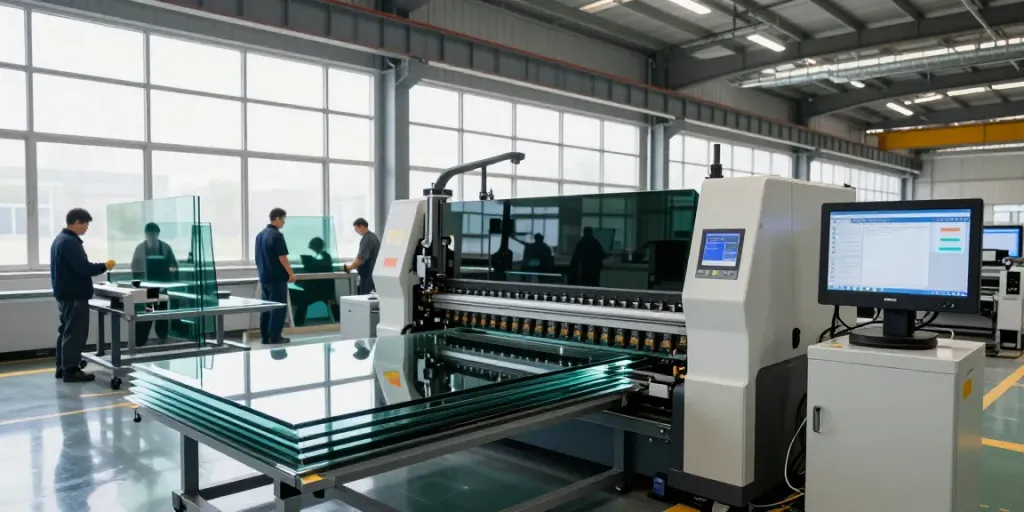
Understanding GRP Grating Supplier and Its Benefits
Glass Reinforced Plastic (GRP) grating is rapidly becoming the material of choice in various industries due to its myriad benefits, including durability, lightweight, and corrosion resistance. As a dependable GRP Grating Supplier, understanding the fundamentals of GRP materials is vital for producers and consumers alike.
What is GRP Grating?
GRP grating is a composite material manufactured from fiberglass, combined with a polyester or vinyl ester resin. It comes in various forms: molded and pultruded, each serving different applications. The production process results in a material that is both lightweight and strong, making it suitable for a wide range of internal and external applications, including walkways, drainage systems, and platforms.
Key Advantages of Using GRP
- Corrosion Resistance: GRP is resistant to chemicals and environmental factors such as moisture and UV rays, which makes it ideal for industrial settings.
- Lightweight: Being significantly lighter than traditional materials like steel, it reduces shipping costs and installation complexity.
- Non-slip Surface: The surface of GRP grating can be designed for slip resistance, ensuring safety in areas prone to wet or slippery conditions.
- Easy Installation: GRP grating does not require heavy machinery for installation, simplifying the process.
- Cost-effective: While the initial investment might be higher than some materials, the long lifespan and lower maintenance needs often lead to reduced overall costs.
Common Applications in Various Industries
GRP grating finds a wide array of applications due to its adaptability. Industries such as chemical processing, oil and gas, marine, and food and beverage utilize GRP for walkways, platforms, trench covers, and drainage grates. The versatility of GRP grating allows it to be tailored to meet diverse needs regardless of the environment.
Choosing the Right GRP Grating Supplier for Your Needs
Selecting an appropriate supplier is crucial for ensuring quality and performance. A well-chosen GRP Grating Supplier can significantly influence the efficiency and durability of your projects.
Factors to Consider When Selecting a Supplier
When choosing a supplier, consider evaluating:
- Product Range: A broad portfolio might highlight the supplier's capability to cater to different requirements.
- Pricing Structure: Ensure the supplier’s pricing aligns with your budget while factoring in quality.
- Delivery Options: Check the supplier's delivery reliability and speed, as timely delivery is critical for project schedules.
Quality Assurance and Compliance Standards
It is essential that the supplier adheres to relevant industry standards. Look for certifications like ISO or ASTM, which can provide reassurance that the grating meets specific safety and quality benchmarks. Quality assurance processes should also be in place to ensure that products maintain consistent standards throughout production.
Evaluating Supplier Experience and Reputation
The supplier's experience can often be a significant indicator of their reliability. Researching customer reviews and success stories and studying their portfolio can provide insights into their reputation in the industry. Longevity in the business typically correlates with a supplier’s ability to provide consistent service and reliable products.
Installation Techniques for GRP Grating
Proper installation of GRP grating is paramount to maximize its functionality. It ensures safety, stability, and longevity. Understanding the necessary techniques and tools can help streamline the installation process.
Preparation Steps for Effective Installation
Before starting the installation, it is critical to:
- Assess the Site: Carry out a site survey to determine the necessary measurements and conditions.
- Select Appropriate Material: Choose the right type of GRP grating (molded or pultruded) based on the intended application and load requirements.
- Ensure Proper Support Spacing: Support spacing must be planned according to the load requirements specified by the manufacturer.
Tools and Equipment Needed
Essential tools for installing GRP grating may include:
- Measuring tape
- Circular saw or jigsaw for cutting the grating
- Drill for securing the grating to the support structure
- Safety gear to ensure worker protection
Common Installation Challenges and Solutions
Some potential challenges while installing GRP grating may include:
- Alignment Issues: Ensure to double-check levels to avoid misalignment.
- Complex Cut-outs: For complex layouts, using templates can simplify the cutting process and improve accuracy.
- Fastening Difficulties: Utilize appropriate fasteners recommended by the manufacturer to enhance the durability of the installation.
Maintenance Best Practices for GRP Grating
To ensure the longevity and effectiveness of GRP grating, regular maintenance is fundamental. Maintaining these materials will help in longevity while ensuring safety and functionality.
Routine Inspections and Cleaning Guidelines
Regular visual inspections can help catch issues like cracking or shifting early. Cleaning the surface periodically using water and a mild detergent can maintain the grating's slip-resistance qualities and aesthetic appeal.
Addressing Damage or Wear
If wear or damage occurs, it is crucial to assess the severity. Minor scratches can often be repaired with a resin kit, while significant damage might require replacement sections. Always consult with the supplier regarding the necessary maintenance products.
Enhancing Longevity and Performance
To maximize the service life of GRP grating, avoid using harsh chemicals for cleaning and ensure proper drainage to prevent water pooling. Implementing barriers or matting can also help protect grating placed in high-traffic areas.
FAQs About GRP Grating Supplier
What types of GRP grating are available?
The types include molded, pultruded, and solid top grating designed for various applications.
How does GRP compare to traditional materials?
GRP is lighter, corrosion-resistant, and typically offers superior durability at a more competitive price point.
What are typical applications for GRP grating?
Common applications include use in industrial settings, walkways, platforms, and drainage systems across various industries.
Is GRP grating environmentally friendly?
Yes, GRP is recyclable and provides a longer lifespan compared to traditional materials, making it a sustainable choice.
How do I choose the right size for GRP grating?
Consider load requirements, spacing between supports, and intended usage to select the appropriate grating size.