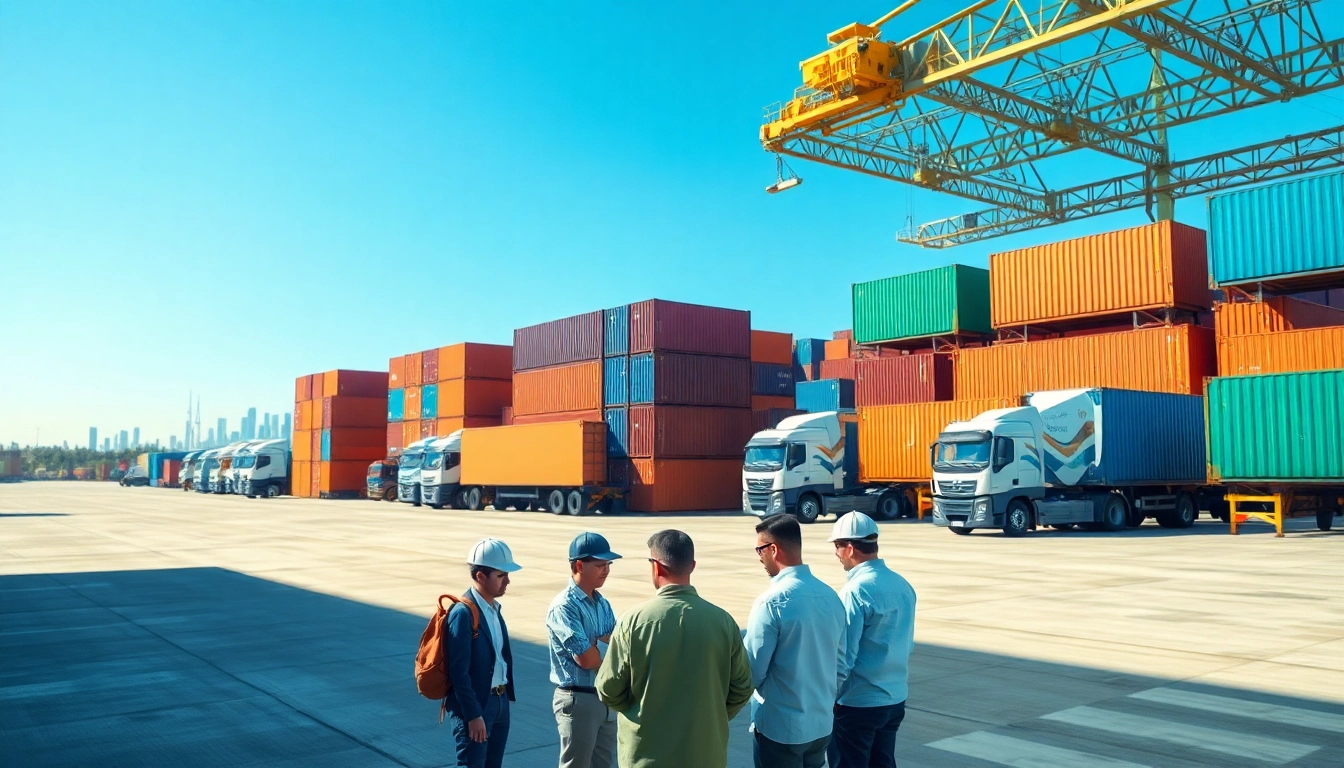
Introduction to Logistics
Logistics is a critical component of supply chain management, encompassing the planning, implementation, and coordination of the movement of goods from one point to another. It plays a vital role in ensuring that products reach their final destinations efficiently and effectively. Understanding logistics is essential for businesses aiming to streamline operations and enhance customer satisfaction. This article aims to dissect the multifaceted world of logistics, examining its importance, core challenges, different types, strategies for optimization, performance metrics, and future trends.
What is Logistics?
Logistics can be defined as the systematic and efficient management of the flow of goods, information, and resources from the point of origin to the point of consumption. This definition highlights not only the physical movement of products but also the necessary coordination between various functions, including transport, warehousing, inventory management, and order fulfillment. Essentially, logistics acts as a bridge between manufacturers and consumers, ensuring that the right products are delivered at the right time and place.
The Importance of Logistics in Business
Logistics has far-reaching implications for businesses. Firstly, it impacts operational efficiency and cost management. Proper logistics ensure that resources are utilized optimally, reducing waste and ensuring timely delivery.
Secondly, effective logistics management enhances customer satisfaction. In an era where customers increasingly demand speed and convenience, a robust logistics strategy can set a business apart from its competitors.
Moreover, logistics plays a strategic role in expanding market reach. By optimizing the supply chain, businesses can explore new markets and improve their competitiveness on a global scale.
Common Challenges in Logistics Management
Despite its importance, logistics remains fraught with challenges. Some of the most common hurdles include:
- Cost Management: Balancing logistics costs while maintaining high service levels is a perpetual challenge.
- Supply Chain Disruptions: Events such as natural disasters, economic fluctuations, or pandemics can disrupt supply chains and logistics operations.
- Technology Integration: As technology evolves, integrating new solutions into existing logistics operations can be complex and costly.
- Talent Shortages: The logistics industry often faces a shortage of skilled labor, which can impact operational efficiency.
Types of Logistics
Inbound and Outbound Logistics
Inbound logistics refers to the processes involved in receiving goods from suppliers or manufacturers. This includes transportation, inventory management, warehousing, and materials handling. Efficient inbound logistics ensures that the correct materials are available for production without excessive delay or cost.
On the other hand, outbound logistics involves the processes of delivering products to customers. This includes order processing, warehousing, and distribution. Optimizing outbound logistics can enhance customer service and loyalty by ensuring timely delivery of products.
Third-Party Logistics (3PL)
Third-party logistics providers offer outsourced logistics services, handling various supply chain management functions. Businesses often turn to 3PL providers to leverage their expertise and technology. Key benefits include:
- Cost Savings: Utilizing a 3PL can reduce expenses related to transportation, warehousing, and labor.
- Scalability: 3PLs offer flexibility to scale logistics operations according to demand.
- Focus on Core Competencies: By outsourcing logistics, businesses can concentrate on their core functions while leaving logistics to specialists.
Military Logistics and Their Unique Requirements
Military logistics involves the planning and execution of the movement and support of forces. This type of logistics is characterized by its need for precision, speed, and reliability. Key elements include:
- Supply Chain Resilience: Military logistics must adapt quickly to changing mission requirements.
- Complex Operations: Delivering supplies to remote locations under adverse conditions is a unique challenge faced by military logistics.
- Integration of Technology: The military relies on advanced technologies such as satellite communication and automated systems to enhance logistical efficiency.
Logistics Strategies for Efficiency
Optimizing Supply Chain Operations
To enhance logistics efficiency, businesses must adopt strategies that optimize each stage of the supply chain. This may involve:
- Streamlining Inventory Management: Maintaining just the right amount of stock can minimize holding costs while ensuring product availability.
- Vendor Management: Building strong relationships with suppliers can lead to better prices and more reliable deliveries.
- Route Optimization: Utilizing software to determine the most efficient delivery routes can save time and reduce transportation costs.
Technology in Logistics
Technology has transformed logistics management significantly over the past decade. Key tech-driven innovations include:
- Warehouse Automation: Automation technologies, such as robotics and conveyor systems, enable faster sorting, packing, and shipping processes.
- Transportation Management Systems (TMS): TMS solutions aid businesses in planning and executing logistics operations efficiently, providing visibility throughout the shipping process.
- Blockchain Technology: By providing secure and immutable records, blockchain can enhance visibility and traceability in the supply chain.
Best Practices for Inventory Management
Effective inventory management is a cornerstone of logistics. Implementing best practices can significantly enhance operational efficiency:
- Regular Stock Audits: Regular checks ensure that inventory data stays current and accurate, helping to avoid overstocking or stockouts.
- Utilization of Inventory Management Software: These systems can provide insights into stock levels and help forecast future inventory needs based on trends.
- Adoption of a Just-In-Time (JIT) Approach: This strategy minimizes the amount of stock on hand while ensuring timely replenishment, reducing carrying costs.
Logistics Metrics and Performance Measurement
Key Performance Indicators (KPIs) for Logistics
Measuring logistics performance is crucial for continuous improvement. Some vital KPIs to monitor include:
- Order Accuracy: The percentage of correctly fulfilled orders helps evaluate the effectiveness of logistics operations.
- Transportation Costs: Monitoring shipping costs can help identify opportunities for cost reductions.
- Delivery Time: Assessing the time taken for products to reach customers can highlight areas needing improvement in the logistics process.
Evaluating Logistics Service Providers
Choosing the right logistics partner can significantly impact operational success. It's essential to evaluate potential service providers based on:
- Experience: Providers with a proven track record and industry-specific knowledge can better anticipate and resolve logistics challenges.
- Reputation: Reviews and recommendations can provide insight into a provider's reliability and service quality.
- Technology Offerings: Partners should leverage modern technology for efficient operations and clear visibility throughout the supply chain.
Utilizing Data Analytics in Logistics
Data analytics plays a pivotal role in shaping logistics strategies. By analyzing data, companies can:
- Identify Trends: Data insights help businesses anticipate demand and optimize inventory levels.
- Enhance Decision Making: Analytics can inform strategies regarding cost savings, route selection, and supplier management.
- Improve Customer Experience: By understanding customer preferences and behaviors, companies can tailor logistics processes to better meet customer demands.
Future Trends in Logistics
The Impact of E-commerce on Logistics
The rise of e-commerce has transformed logistics, creating new challenges and opportunities. Key impacts include:
- Increased Demand for Faster Delivery: E-commerce companies are under pressure to deliver products rapidly, prompting innovations in logistics.
- Rise of Last-Mile Delivery Solutions: Efficient last-mile logistics are essential to meet customer expectations for quick delivery times.
- Growth of Omnichannel Logistics: Businesses must integrate online and offline sales channels seamlessly, requiring sophisticated logistics strategies.
Emerging Technologies in Logistics
The logistics industry is witnessing innovations in technology that promise to enhance efficiency and effectiveness:
- Artificial Intelligence: AI-driven systems are being utilized for predictive analytics, inventory management, and optimizing shipping routes.
- Internet of Things (IoT): IoT devices enhance visibility throughout the supply chain, enabling better tracking of shipments and inventory levels.
- Autonomous Vehicles: The introduction of self-driving trucks and drones presents potential for significant cost savings and efficiency gains in logistics operations.
Adapting to Environmental and Regulatory Changes
Logistics must be agile enough to adapt to environmental challenges and regulatory requirements. This includes:
- Sustainability Initiatives: Many businesses are actively pursuing greener logistics practices, such as reducing emissions and adopting eco-friendly packaging.
- Compliance with Regulations: Staying updated with local and international trade regulations is crucial for avoiding legal pitfalls in logistics operations.
- Disaster Preparedness: Logistics strategies must incorporate risk management to address potential disruptions caused by climate change or other crises.