Understanding Sports Massage at Home
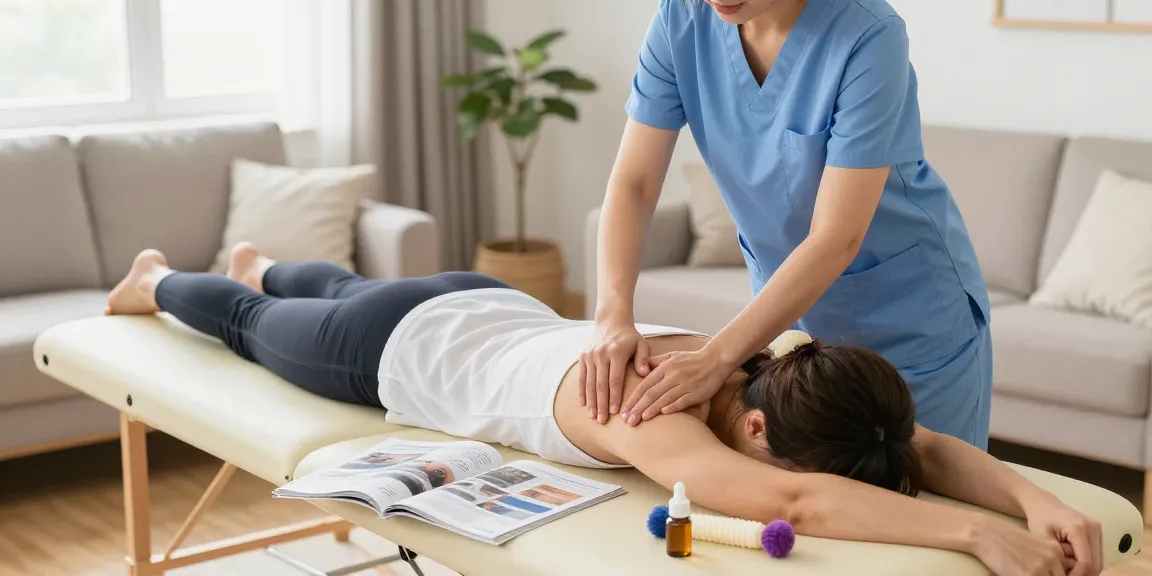
Sports massage at home is a convenient and effective approach to enhance your physical well-being and aid recovery. It combines specialized techniques tailored to athletes and active individuals, helping to alleviate muscle tension and improve overall performance without the need to travel to a clinic. As more people seek personalized care in their own environments, understanding the benefits and practicalities of sports massage becomes essential. This article explores what sports massage entails, its benefits, and how it aids in recovery.
What is Sports Massage?
Sports massage is a type of therapeutic massage specifically designed for athletes and active individuals. It focuses on areas of the body that are overworked and stressed from physical activity. The techniques used in sports massage vary significantly, but they often include deep tissue work, stretching, and joint mobilization, tailored to individual needs. This massage aims to prevent injuries, promote flexibility, and enhance endurance by facilitating optimal muscle performance.
Benefits of Sports Massage at Home
One of the primary benefits of sports massage at home is the convenience it provides. Patients can receive professional care in a comfortable environment, which can significantly enhance relaxation and effectiveness. Moreover, sports massage offers numerous benefits, including:
- Pain Relief: Alleviates muscle tension and soreness.
- Improved Circulation: Enhances blood flow, aiding in recovery.
- Increased Flexibility: Helps maintain or improve range of motion.
- Injury Prevention: Reduces the risk of injuries through muscle conditioning.
- Enhanced Performance: Supports athletic performance through targeted treatments.
How It Promotes Recovery
The recovery process is critical for athletes and physically active individuals, and sports massage plays a pivotal role in this aspect. By stimulating blood circulation, sports massage promotes the delivery of oxygen and nutrients to muscles while removing metabolic waste. Additionally, the application of pressure helps to reduce inflammation and encourages faster healing of damaged tissues. Regular sessions can lead to improved recovery times and better overall athletic endurance.
Choosing the Right Mobile Physiotherapist
Finding a qualified mobile physiotherapist is essential for receiving effective and safe sports massage treatments at home. Not all practitioners are created equal; thus, doing your research is paramount to ensure you receive the best care possible.
Qualifications and Credentials to Look For
Before selecting a mobile physiotherapist, consider their educational qualifications and certifications. Look for professionals who are licensed and have completed a relevant degree in physiotherapy. Additionally, certifications in specialized areas, such as sports massage therapy, can indicate a higher level of expertise in treating sports-related issues.
Questions to Ask Before Treatment
Prepare a list of questions to ask your potential therapist before commencing treatment. Inquire about their experience with sports massage, specific techniques they use, and how they tailor treatments to individual needs. Understanding their approach can help you determine if they are the right fit for your requirements.
Evaluating Patient Experience and Testimonials
Reviews from past patients can provide invaluable insight into the physiotherapist's efficacy and approach. Look for testimonials that reference the therapist’s ability to address specific concerns, their professionalism, and the overall experience of home visits. Websites, social media pages, and local business directories may also offer detailed reviews.
Techniques Used in Home Sports Massage
Sports massage encompasses a variety of techniques aimed at addressing specific issues within the muscles and soft tissues of the body. Familiarizing yourself with these methods can enhance your experience and expectations.
Common Techniques Explained
Some common techniques utilized in sports massage include:
- Effleurage: Long, sweeping strokes that promote relaxation and blood flow.
- Petrissage: Kneading movements that help to release muscle tension.
- Frictions: Small, circular movements that target deep tissue issues and knots.
- Stretching: Incorporating passive stretching helps improve flexibility and reduce tightness.
Personalizing Your Treatment Plan
Each athlete’s needs are different, and a personalized treatment plan is vital for effectiveness. A skilled physiotherapist will consider your specific goals, activity level, and any existing injuries to design a tailored approach. Initial assessments often involve discussions about your health history, activity level, and current concerns.
Safety Precautions and Best Practices
Safety is paramount in any therapeutic setting. Always ensure that your mobile physiotherapist follows hygiene and safety protocols, especially when working in your home. Communicate openly about any discomfort, allergies, or medical conditions prior to treatment, enabling the therapist to modify techniques as necessary for your safety and comfort.
Complementing Your Sports Massage with Wellness Practices
To maximize the benefits of sports massage, it's essential to incorporate additional wellness practices into your routine. These complementary methods can further aid recovery and enhance overall health.
Incorporating Stretching and Strengthening Exercises
Regular stretching and strengthening exercises can greatly enhance the effectiveness of your sports massage. Stretching helps to maintain flexibility and prevent future injuries, while strengthening exercises help to build muscle support around joints and improve overall functionality.
Nutritional Tips for Enhanced Recovery
Nutrition plays a crucial role in recovery and performance. Incorporate a balanced diet filled with proteins, healthy fats, and carbohydrates. Specific foods, such as leafy greens, lean meats, and whole grains, can support muscle repair and energy replenishment. Consulting with a nutritionist may also yield personalized dietary recommendations.
Importance of Hydration Before and After Sessions
Staying hydrated is vital for optimal muscle function and recovery. Drinking adequate water before and after your sports massage helps maintain muscle elasticity and assists in flushing out toxins from the body. Aim for at least 8-10 cups of water daily, and consider increasing intake before and after exercise or massage sessions.
Frequently Asked Questions About Sports Massage at Home
How often should I schedule sports massage sessions?
The frequency of sports massage sessions can vary depending on individual needs, activity levels, and specific goals. Many athletes benefit from weekly sessions during intense training periods and bi-weekly or monthly sessions during off-seasons. Discuss your needs with your physiotherapist to develop a customized plan.
Can sports massage help with chronic pain?
Yes, sports massage can be beneficial for chronic pain by targeting specific areas of tension and promoting relaxation. Regular sessions can help manage symptoms and improve function, but it’s crucial to discuss any chronic pain conditions with your physiotherapist to ensure the approach is appropriate for your situation.
How do I prepare for a sports massage at home?
Preparing for your sports massage involves several steps to ensure you get the most out of your session. For more information, sports massage at home offers valuable insights. Wear comfortable clothing that allows access to the areas being treated, stay hydrated, and communicate any concerns or specific areas of tension prior to treatment. Additionally, try to allocate time for relaxation before the therapist arrives to maximize the experience.