Understanding Brain Tumors
Brain tumors represent a complex and daunting challenge in modern medicine, impacting countless lives each year. Understanding the fundamentals of brain tumors and the advances in treatment is crucial for patients and their families facing this diagnosis. The surgery for brain tumors, known as beyin tümörü ameliyatı, has evolved significantly over the years, utilizing cutting-edge technologies and techniques to enhance patient outcomes. This comprehensive guide aims to demystify the process and equip readers with essential knowledge about brain tumors, their types, surgical procedures, and postoperative care.
What is a Brain Tumor?
A brain tumor is an abnormal growth of tissue within the brain or surrounding areas. These tumors can be classified into primary tumors, which originate in the brain, and secondary tumors, known as metastases, which spread from other body parts. Brain tumors can vary significantly in size, location, and their potential to impact normal brain function.
Types of Brain Tumors: Benign vs. Malignant
Brain tumors are categorized based on their biological behavior as benign (non-cancerous) or malignant (cancerous). Benign tumors, such as meningiomas, tend to grow slowly and do not invade surrounding brain tissue. In contrast, malignant tumors, like glioblastomas, exhibit aggressive growth, invading nearby tissues and often leading to a poor prognosis. Understanding the type of tumor is crucial for determining the appropriate treatment strategy.
The Brain Tumor Surgery Process
When navigating the complexities of brain surgery, comprehensive insights into brain tumor surgery, beyin tümörü ameliyatı, become invaluable. Patients must understand preoperative preparation, surgical techniques, and postoperative recovery to facilitate informed decision-making and alleviate anxiety about the procedure.
Preoperative Preparation for Brain Tumor Surgery
Preparation for brain tumor surgery begins with a detailed assessment by a neurosurgeon. This evaluation includes neuroimaging studies, such as MRI or CT scans, to determine the tumor's size, location, and relationship to nearby brain structures. Additionally, preoperative consultations may involve anesthesiologists and other specialists to ensure the patient is medically fit for surgery.
Types of Surgical Techniques Used
Various surgical techniques may be employed during brain tumor surgery, including traditional craniotomy, minimally invasive approaches, and awake craniotomy methods. The choice of technique depends on the tumor's location, size, and the patient's overall health. Advanced technologies, such as neuronavigation and intraoperative MRI, allow surgeons to visualize the tumor better and preserve critical brain functions during the operation.
What to Expect During Surgery
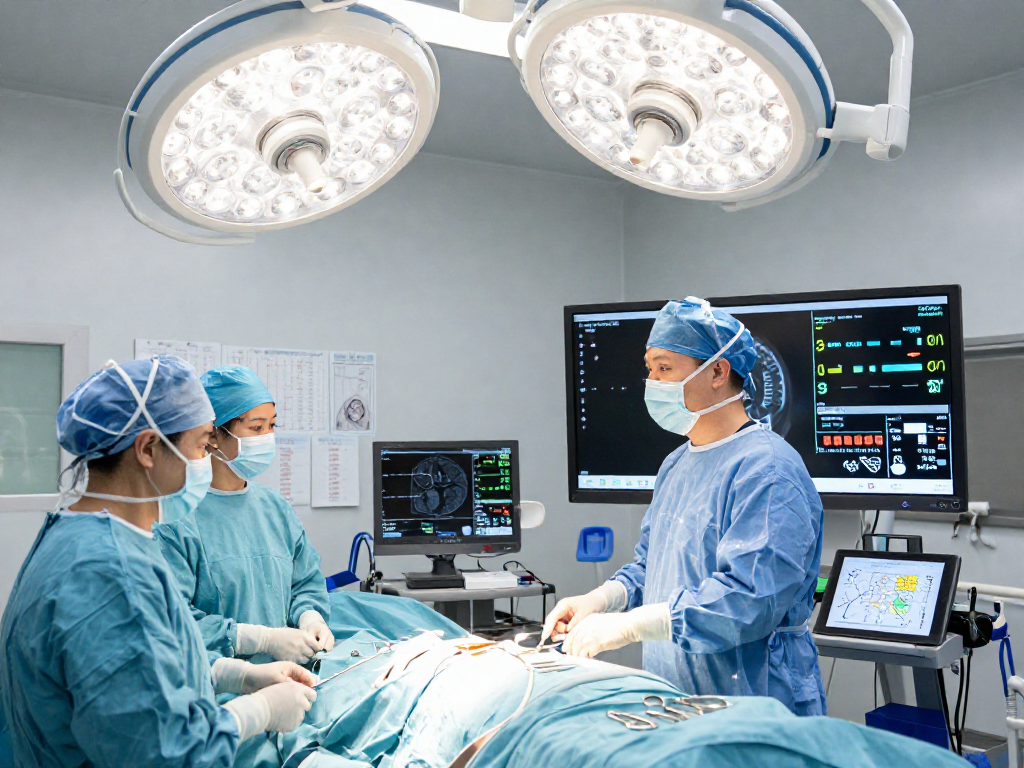
The surgical procedure typically lasts between three to six hours, depending on the complexity of the case. Patients are usually placed under general anesthesia, and the surgery involves making an incision in the scalp, followed by the removal of a section of the skull (craniotomy) to access the brain. The surgeon carefully navigates the tumor using advanced tools, ensuring minimal damage to surrounding tissues.
Risks and Considerations of Brain Tumor Surgery
Like any surgical procedure, brain tumor surgery carries inherent risks. It is essential for patients to understand these risks to make informed decisions about their treatment options.
Common Risks Associated with Surgery
Potential risks associated with brain tumor surgery include infection, bleeding, neurological deficits, and complications from anesthesia. Patients may also experience temporary swelling in the brain or seizures after surgery. Discussing these risks with the surgical team can help patients prepare mentally and physically for their procedure.
Long-term Effects and Recovery Concerns
Recovery from brain tumor surgery can vary widely among individuals, depending on factors such as the tumor type, surgical technique, and overall health. Patients may require rehabilitation services to regain lost functions or adapt to changes in their abilities. It is crucial to establish a follow-up care plan to monitor for any complications or signs of tumor recurrence.
Addressing Patient Fears and Misconceptions
Many patients harbor fears and misconceptions about brain tumor surgery, which can exacerbate anxiety. It is vital for healthcare providers to debunk myths and provide straightforward, accurate information about the procedure to instill confidence in their patients and families.
Postoperative Care and Follow-Up
Postoperative care is a critical component of the surgical process, ensuring that patients recover effectively and maintain their health following brain tumor surgery.
Monitoring Recovery After Brain Tumor Surgery
After surgery, patients are typically monitored in a recovery unit for the first 24-48 hours. This close observation allows healthcare professionals to assess vital signs, neurological status, and manage any complications that may arise. Follow-up imaging studies may be undertaken to evaluate the success of the tumor resection.
Strategies for Effective Rehabilitation
Rehabilitation plays a vital role in helping patients regain their strength and cognitive function after surgery. Physical, occupational, and speech therapy may be recommended based on individual needs. Setting realistic goals and having a supportive care team can significantly enhance the recovery experience.
When to Seek Medical Attention Post-Surgery
Patients should be aware of potential warning signs that may indicate complications, such as severe headaches, changes in vision, weakness, or seizures. Prompt medical attention for these symptoms is crucial for ensuring optimal recovery outcomes.
Future Trends in Brain Tumor Treatment
The field of brain tumor treatment is continually evolving, with innovative approaches promising to enhance patient care and outcomes.
Innovations in Surgical Techniques and Technology
Emerging technologies, including robotic-assisted surgery and augmented reality, are beginning to revolutionize how neurosurgeons approach brain tumors. These advancements aim to increase precision, reduce recovery times, and improve overall surgical outcomes.
The Role of Radiation Therapy and Chemotherapy
Adjuvant therapies, including radiation therapy and chemotherapy, continue to play essential roles in the comprehensive treatment of brain tumors. Recent developments in targeted therapies and immunotherapy may improve effectiveness and reduce side effects for patients.
Advancements in Brain Tumor Research and Treatment Options
Ongoing research focuses on understanding the genetic and molecular underpinnings of brain tumors, paving the way for personalized medicine approaches. This evolution promises more effective and tailored treatment strategies, enhancing the prognosis for patients diagnosed with brain tumors.
What are the long-term outlooks for Brain Tumor patients?
The prognosis for brain tumor patients varies widely based on tumor type, location, and treatment response. Advances in early detection and treatment techniques are improving survival rates and quality of life for many patients.
What are the latest techniques for brain tumor surgery?
Innovations, such as fluorescence-guided surgery and intraoperative MRI, significantly enhance the accuracy and safety of brain tumor surgeries. For more information, beyin tümörü ameliyatı offers valuable insights. These techniques allow for better identification and removal of tumor tissue while preserving healthy brain structures.